
European Capitals of Culture 2026
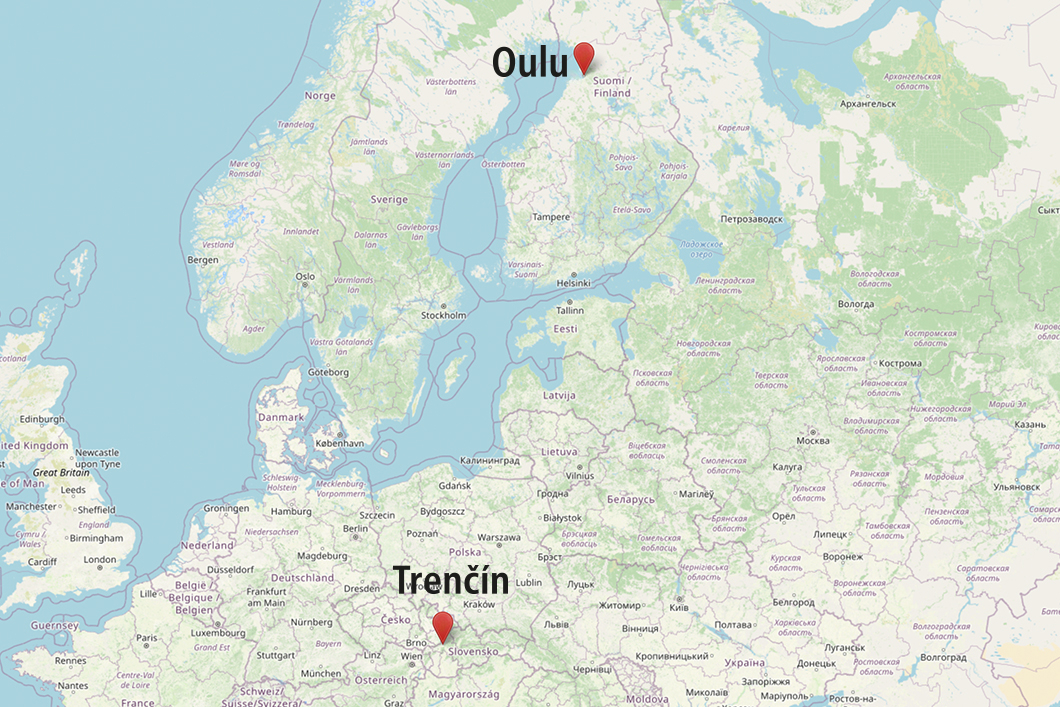
In 2026, Europe will turn its gaze northwards to Oulu in northern Finland and eastwards to Trenčín in western Slovakia. As European Capitals of Culture, the two cities demonstrate just how diverse – and how compelling – cultural identity in Europe can be today.
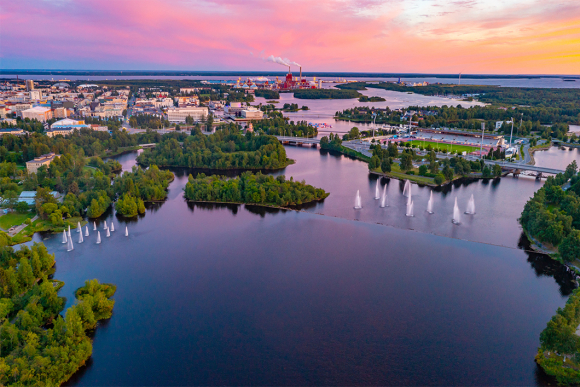
Oulu, Finnland
Oulu, Finland
Oulu is located in northern Finland, directly on the Gulf of Bothnia and just a few kilometres south of the Arctic Circle. The city is the urban hub of a vast region shaped by coastline, islands, rivers and forests. Brick industrial buildings sit alongside contemporary architecture; the salty air of the harbour meets a high-tech, innovation-driven spirit. As a European Capital of Culture, Oulu does not stand alone: 39 surrounding municipalities are part of the programme. Here, culture is not confined to museums but embedded in landscape, everyday life and the rhythm of the seasons. The thematic focus of the Capital of Culture year includes Nordic identity, artistic experimentation in public space, a strong integration of nature, art by and on the water, winter performances, light installations during the dark months, climate change, and an international perspective that engages with Indigenous Sámi culture and Arctic ways of life. Oulu demonstrates how culture can thrive in extreme climates—quietly, thoughtfully and often outdoors, in close dialogue with nature. A journey to Oulu is a journey into a compelling world where urban life and wilderness meet.

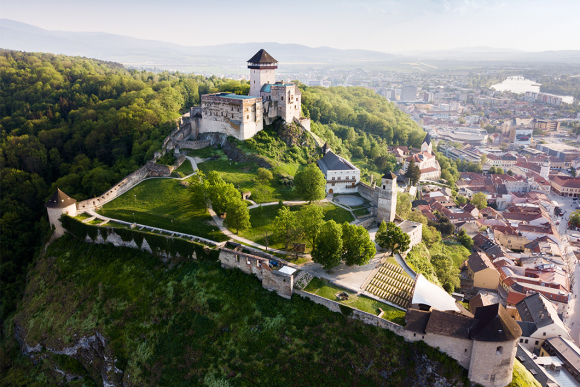
Trenčín, Slovakia
Trenčín, Slovakia
Trenčín lies in western Slovakia, set in the valley of the River Váh and close to the Czech border. The city is easily reached from Bratislava, Vienna or Brno. From afar, the silhouette of Trenčín Castle defines the cityscape. Perched on a steep rock, it is not only the city’s landmark but also the key to understanding its history. For centuries, Trenčín was a border town and trading centre, a strategic point between the Carpathians and the plains of Central Europe. The historic centre of Trenčín is well preserved. Around the main square, burgher houses from different periods stand alongside cafés and small shops, giving the town a relaxed, almost Mediterranean feel. Particularly striking is the Roman inscription carved into the castle rock, which attests to the presence of Roman legions here as early as the second century AD – an exceptional testament to Roman activity north of the Danube. The castle itself ranks among the largest and most important fortress complexes in Slovakia. Its walls, towers and courtyards bear witness to noble rule, sieges and shifting political powers. From its viewpoints, sweeping vistas open across the town, the River Váh and the surrounding landscape.