Events & Impressions
“A Success Story of European Integration” – Croatia’s National Day
4 June 2026
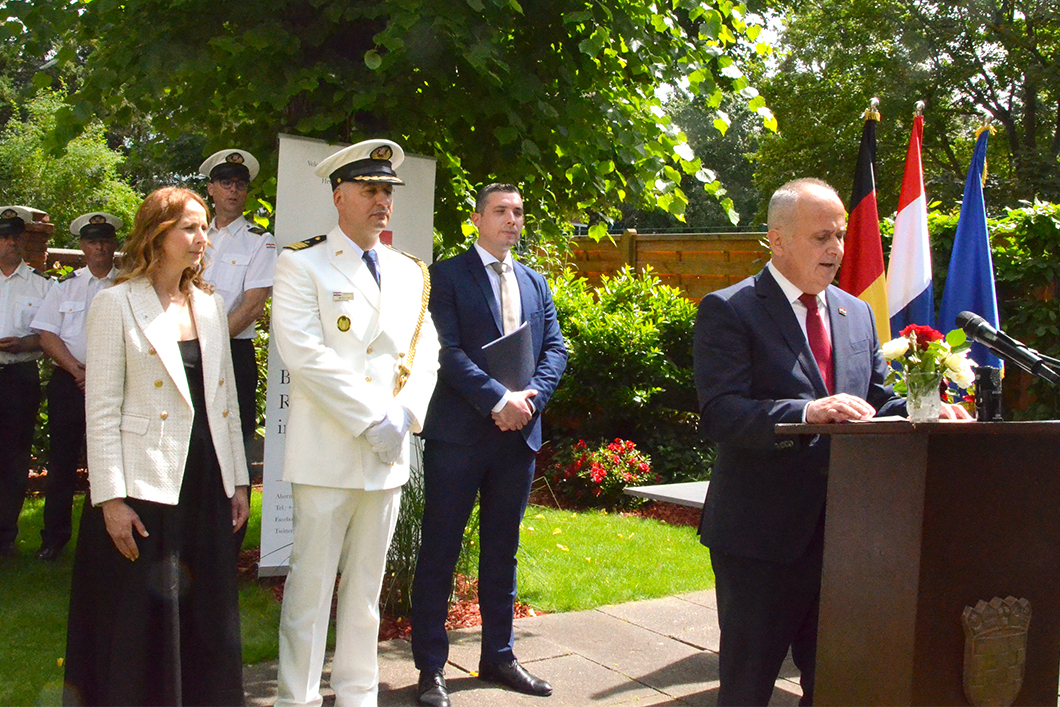
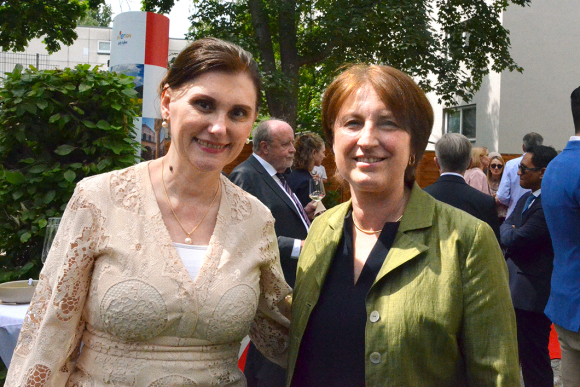
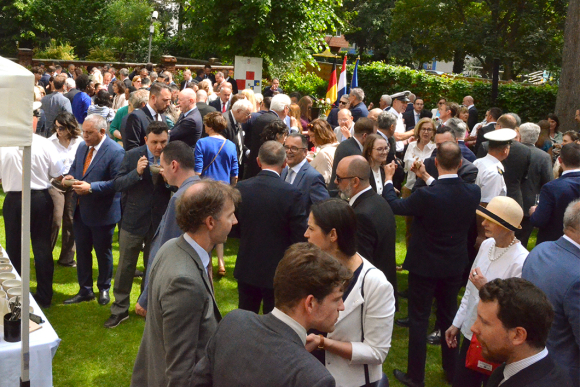
In summer-like temperatures, the Embassy of Croatia invited guests to a midday reception in the embassy garden on 2 June. The occasion: Croatia’s National Day and the commemoration of Croatia’s democratic re-founding on 30 May 1990. It was also Armed Forces Day, which was marked with due ceremony.
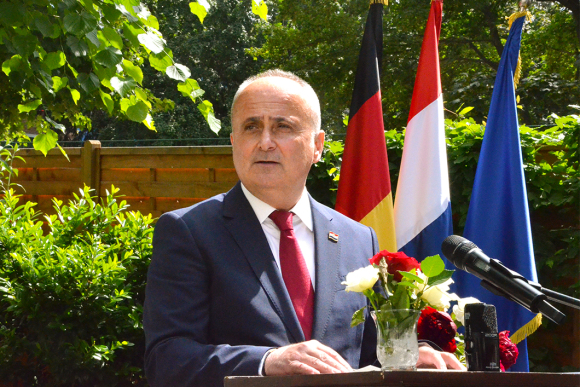
In his address, the Ambassador of Croatia, H.E. Gordan Bakota, highlighted his country’s development into a firm member of the EU, NATO, the Schengen Area and the Eurozone, as well as its role as a reliable partner amid current political and geopolitical challenges. He emphasised German-Croatian relations, which are built on shared values such as democracy, the rule of law and freedom, as well as recent high-level political visits and the signing of a strategic action plan to deepen bilateral cooperation. Croatia, he said, plays a significant role in EU enlargement policy, in the stability of South-East Europe and in joint support for Ukraine.
European Initiatives
His country, he said, is an active co-shaper of European initiatives, particularly in expanding transport, energy and digital infrastructure between the Baltic, Adriatic and Black Seas. He highlighted the LNG terminal on Krk, the JANAF pipeline system and Croatia’s role as an energy and transport hub.
Partner in Defence
In the area of defence, the Ambassador highlighted the modernisation of the armed forces, the reintroduction of two-month basic military training, and close cooperation with Germany, including the partnership with Rheinmetall and the deployment of Croatian soldiers in the NATO battlegroup in Lithuania.
Economic Momentum
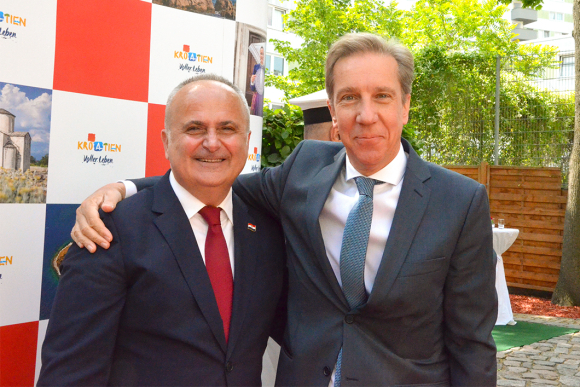
Croatia’s economic momentum is considerable, said Ambassador Bakota. Germany is its most important economic partner and investor. Tourism, too, plays an increasing role, reflected among other things in the opening of a Berlin office of the Croatian National Tourist Board. And in the figures: around 3 million Germans travelled to Croatia last year.
Unity, Trust, Team Spirit
Looking ahead to the 2026 FIFA World Cup, Bakota concluded his address: “Great achievements are born of unity, trust and team spirit. This is as true in sport as it is in every other area of our lives.”
“A Success Story of European Integration”
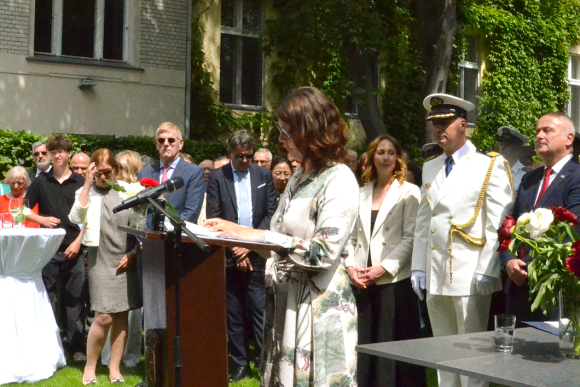
Anja Wallau of the Federal Foreign Office offered congratulations on the National Day and, on behalf of the Federal Government, paid tribute to Croatia’s development since independence 35 years ago into a successful member of the EU, NATO, Schengen and the Eurozone. “This path shows how powerful the idea of a free and united Europe can be.” Germany and Croatia are deepening their cooperation through a new action plan, particularly in the fields of economy, energy, research, and security and defence policy. Both countries support Ukraine and are committed to EU enlargement. “Croatia is a success story of European integration.” The close political, economic and social ties are to be further expanded.
Klapa
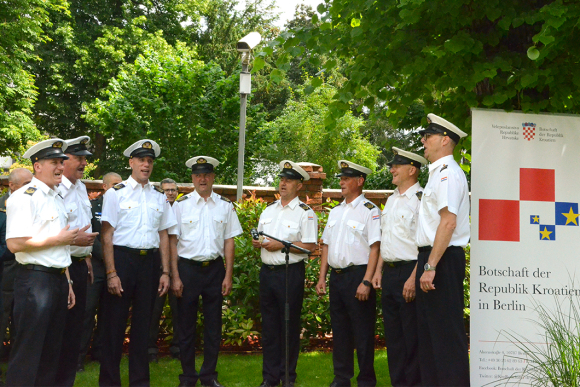
The official part of the reception concluded with klapa performances by a Croatian a cappella ensemble. Klapa, a traditional form of singing from Croatia’s Dalmatian coastal region, is a musical symbol of the armed forces and of Croatian cultural diplomacy. It is part of Croatia’s intangible cultural heritage as well as of the UNESCO World Heritage list. The singing expresses patriotism and a deep connection to tradition. The performances led into the unofficial part of the reception: a summer garden party in the relaxed atmosphere of Croatian hospitality.
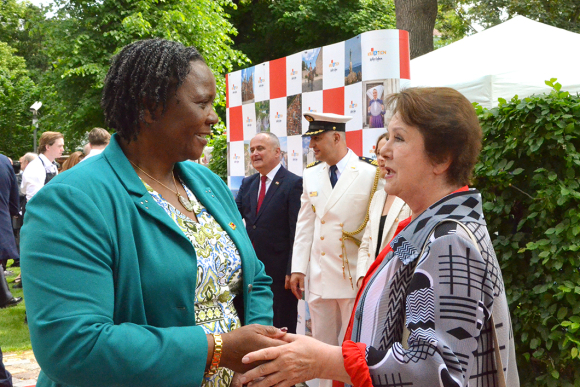
Impressions from the Event