The History of Berlin’s Diplomatic District
5 January 2026
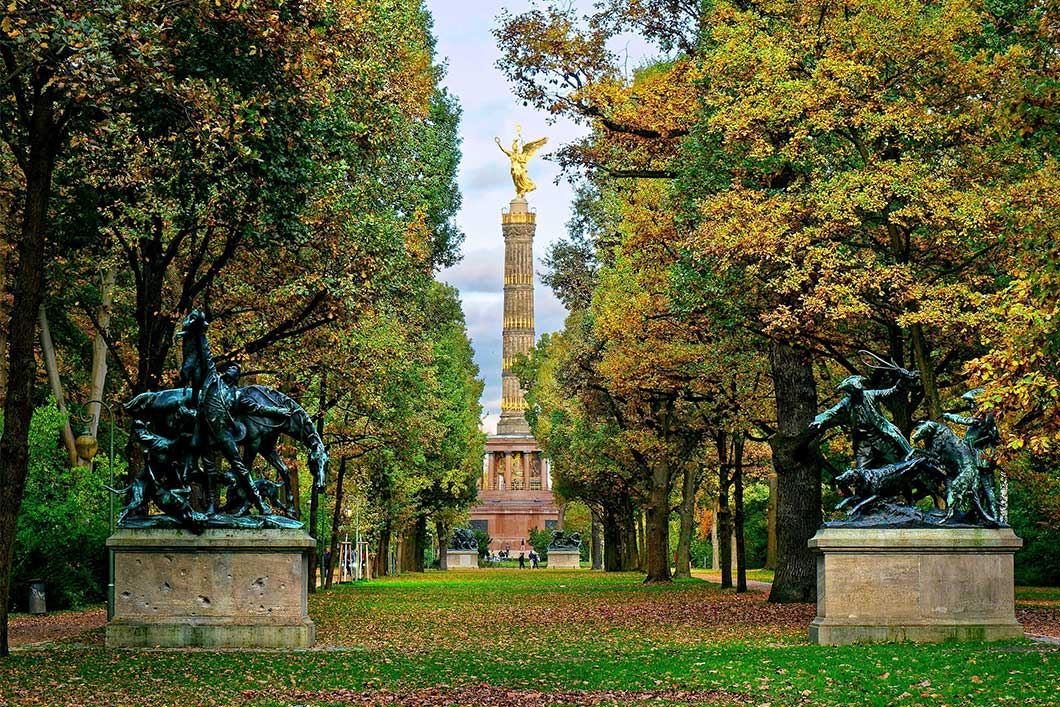
Berlin’s Tiergarten district emerged in the 19th century as an expansive villa enclave, home to affluent citizens, civil servants, artists and entrepreneurs. The first diplomatic missions arrived towards the end of that century – among them the Imperial Chinese Legation in 1888.
From Villa Colony to Diplomatic Quarter
More embassies followed. By 1938, almost 40 embassies and nearly 30 consulates were located in the Tiergarten area. Until then, many missions had traditionally been situated near the Reichstag and around Wilhelmstraße; the influx into Tiergarten shifted the city’s diplomatic centre of gravity. It became Berlin’s primary diplomatic district.
The Fascist Era
Under the National Socialist regime and its urban vision for a so-called World Capital Germania, sweeping changes were planned from the mid-1930s onwards. The western part of the Tiergarten district was officially designated the “Embassy Quarter”, and several states – including Japan, Italy and Spain – constructed new buildings for their missions.
Second World War
The Second World War devastated many of the elegant villas and historic embassy buildings; a large proportion was so badly damaged that demolition proved unavoidable. Germany’s and Berlin’s political division after the war accelerated the decay of the already battered district. Heavy wartime destruction was followed by decades of vacancy, which further hastened the deterioration.
Embassies in a Divided Germany
With the establishment of the Federal Republic of Germany (FRG) in 1949, Bonn became the provisional seat of government. Many diplomatic missions relocated there, while West Berlin remained under Allied control. States that recognised the GDR and maintained relations with it typically based their missions in East Berlin.
Reunification and the Return to Berlin
In the early 1990s, following German reunification, Berlin was restored as the nation’s capital. The relocation of government and administration continued into the early 2000s, and many countries subsequently moved their embassies back to Berlin.
In the historic embassy quarter by the Tiergarten, new diplomatic buildings emerged – and continue to rise – some boasting striking architecture that reflects their nations’ cultures, histories and geographies in captivating ways, enriching Berlin’s urban landscape as an international metropolis.
Today the Diplomatic District is one of Berlin’s most prestigious and expensive residential and embassy districts, with almost 30 embassies that have restored its role as Berlin’s diplomatic heart. On the following pages, we introduce them to you.
More on Berlin’s Diplomatic District:
Read the fascinating stories of all the other embassies in the Tiergarten district in the January/February print edition of Diplomatisches Magazin, published in early January 2026. Available from:
redaktion@diplomatisches-magazin.de