The Global Wellness Market
Findings from a McKinsey Study
24 August 2026

Photo © Drazen Zigic / Magnific
In 2025, McKinsey published its Future of Wellness report, examining how the global wellness market is evolving and which consumer groups are driving its growth. The study surveyed more than 9,000 adults across China, Germany, the United Kingdom and the United States.
It analysed different age groups—particularly Generation Z (born 1997–2012), millennials (1981–1996), and older generations such as Gen X and baby boomers. The aim was to better understand shifts in consumer behaviour across six wellness dimensions: health, sleep, nutrition, fitness, appearance and mental wellbeing.
One of the study’s key findings is that wellness has moved from a niche interest to an integral part of everyday life. Younger generations in particular no longer view health as a reactive response to illness, but as an ongoing investment in quality of life, performance and prevention.
Millennials and Gen Z
The global wellness market, now valued at around $2 trillion, continues to grow rapidly. Millennials and Gen Z are at the forefront of this expansion. Although they account for just over one-third of the adult population in the United States, they represent a disproportionately large share of wellness spending. This is driven by factors including higher stress levels, burnout, and constant exposure to health-related content on social media.
Five Consumer Segments
McKinsey identifies five key consumer profiles within the wellness market. The most influential are digitally savvy, highly informed consumers who are open to new technologies, wearables and personalised health solutions. Alongside them are fitness-focused enthusiasts, pragmatic health-conscious consumers, overwhelmed but well-intentioned individuals, and price-sensitive minimalists who purchase only essential products.

Photo © Flamingo Images / Adobe Stock
Key Growth Areas
According to the study, six areas show particularly strong growth potential:
- Functional NutritionFood is increasingly expected to do more than simply satisfy hunger. Consumers are seeking products that support energy, immunity, gut health and cognitive performance—such as high-protein snacks, probiotics and adaptogens.
- Beauty & AestheticsThe boundaries between beauty and health are becoming increasingly blurred. Skincare, supplements and aesthetic treatments are now seen as part of a broader holistic approach to wellbeing.
- Longevity (Healthy Ageing)Healthy ageing is one of the fastest-growing segments. Consumers are not merely seeking longer lives, but longer healthier lives—with mental sharpness, energy and independence. Notably, younger consumers are already investing proactively in longevity.
- Wellness Travel and In-Person ExperiencesRetreats, thermal therapies, boutique fitness and detox programmes are gaining popularity. Consumers are seeking recovery, slower pace and mental restoration.
- Weight ManagementWeight management remains a global concern. Alongside exercise and nutrition programmes, medical solutions such as GLP-1 medications are gaining significant market share.
- Mental HealthPsychological strain caused by stress, uncertainty and digital overload continues to rise. Younger consumers in particular are actively seeking solutions such as meditation, mindfulness, sleep optimisation and mental coaching.
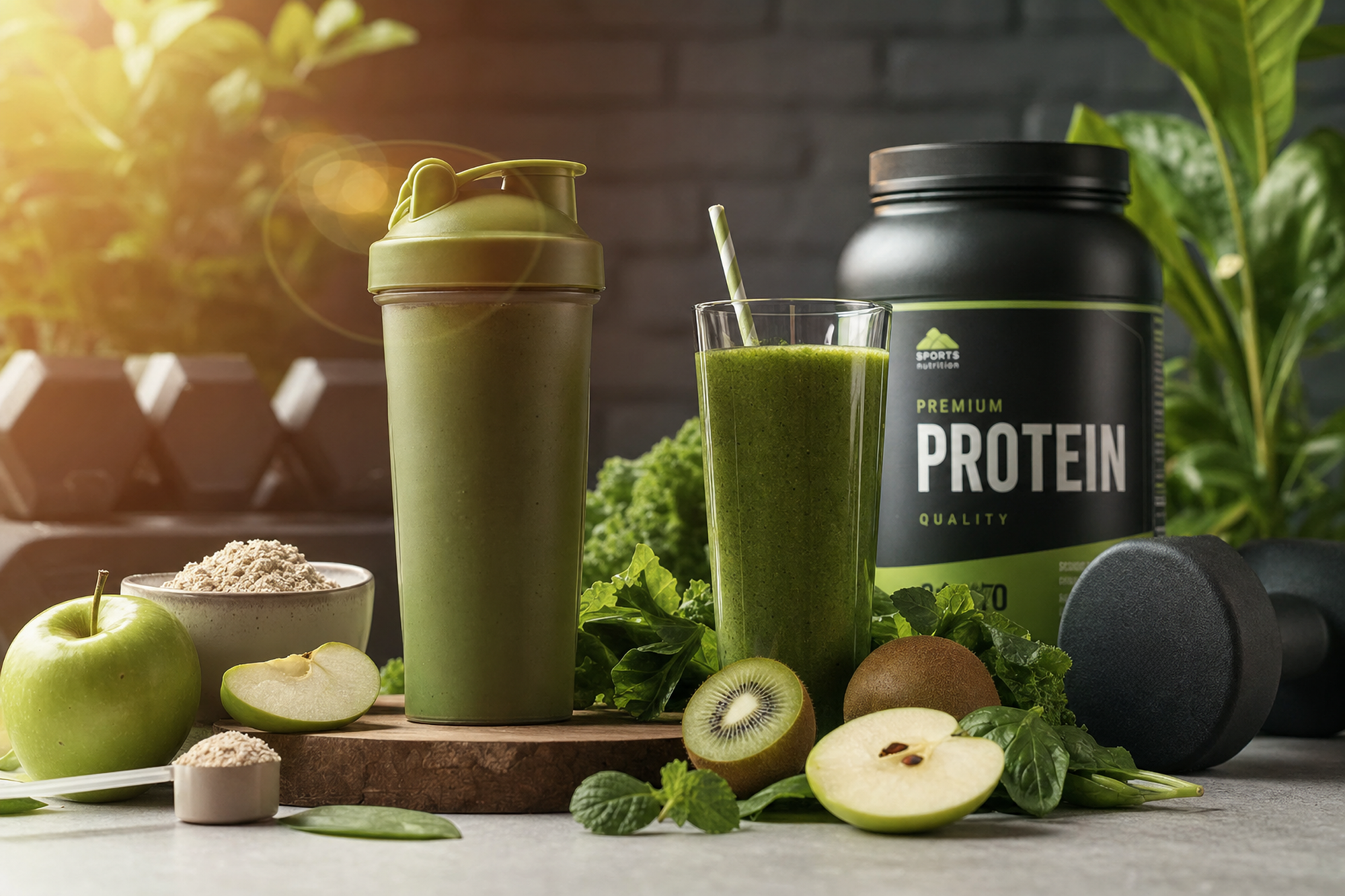
Photo © Adobe Firefly · Generated with AI
Key Learnings and Conclusion
McKinsey highlights three strategic success factors for companies. First, offerings should become more integrated, combining products, services and digital tools into holistic solutions. Second, scientific credibility is becoming increasingly important. Third, genuine value matters—not just in terms of price, but also quality, effectiveness and relevance.
The future of the wellness market will largely be shaped by younger generations, but their understanding of health is increasingly influencing all age groups. Wellness today is about far more than relaxation—it is evolving into a comprehensive lifestyle model that is reshaping consumer behaviour, healthcare and societal expectations.