New Rules for the Wars of the 21st Century?
The Demands of the International Committee of the Red Cross in the Age of Cyberwarfare and Autonomous Weapons
23 August 2026
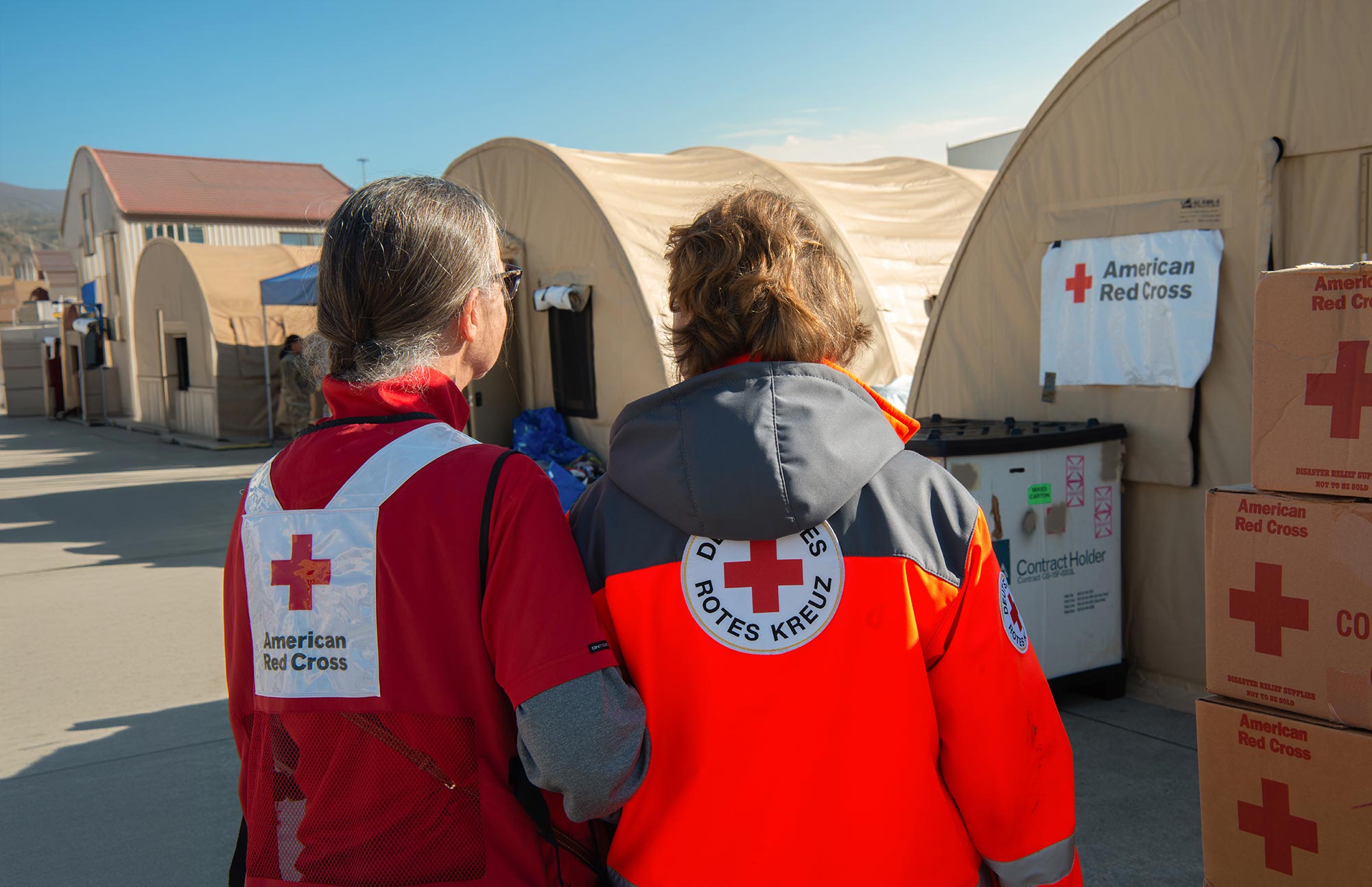
Photo © U.S. Air Force photo by Airman Edgar Grimaldo / Public Domain
More than 160 years ago, the suffering of wounded soldiers prompted the founding of the Red Cross and the adoption of the first Geneva Convention. Today, artificial intelligence, autonomous weapon systems and cyber operations are fundamentally transforming warfare. The rules of international humanitarian law continue to apply – but they must be complemented by binding provisions governing new technologies. The International Committee of the Red Cross is calling on States to act.
On 24 June 1859, the Swiss businessman Henry Dunant happened to witness the Battle of Solferino in northern Italy. Within a matter of hours, tens of thousands of soldiers had been killed or wounded. Many of the injured were left on the battlefield without medical care. Dunant organised assistance, regardless of which army the wounded belonged to. His experience provided the impetus for what would later become the International Committee of the Red Cross (ICRC). Four years later, representatives of several countries gathered in Geneva to discuss common humanitarian principles.
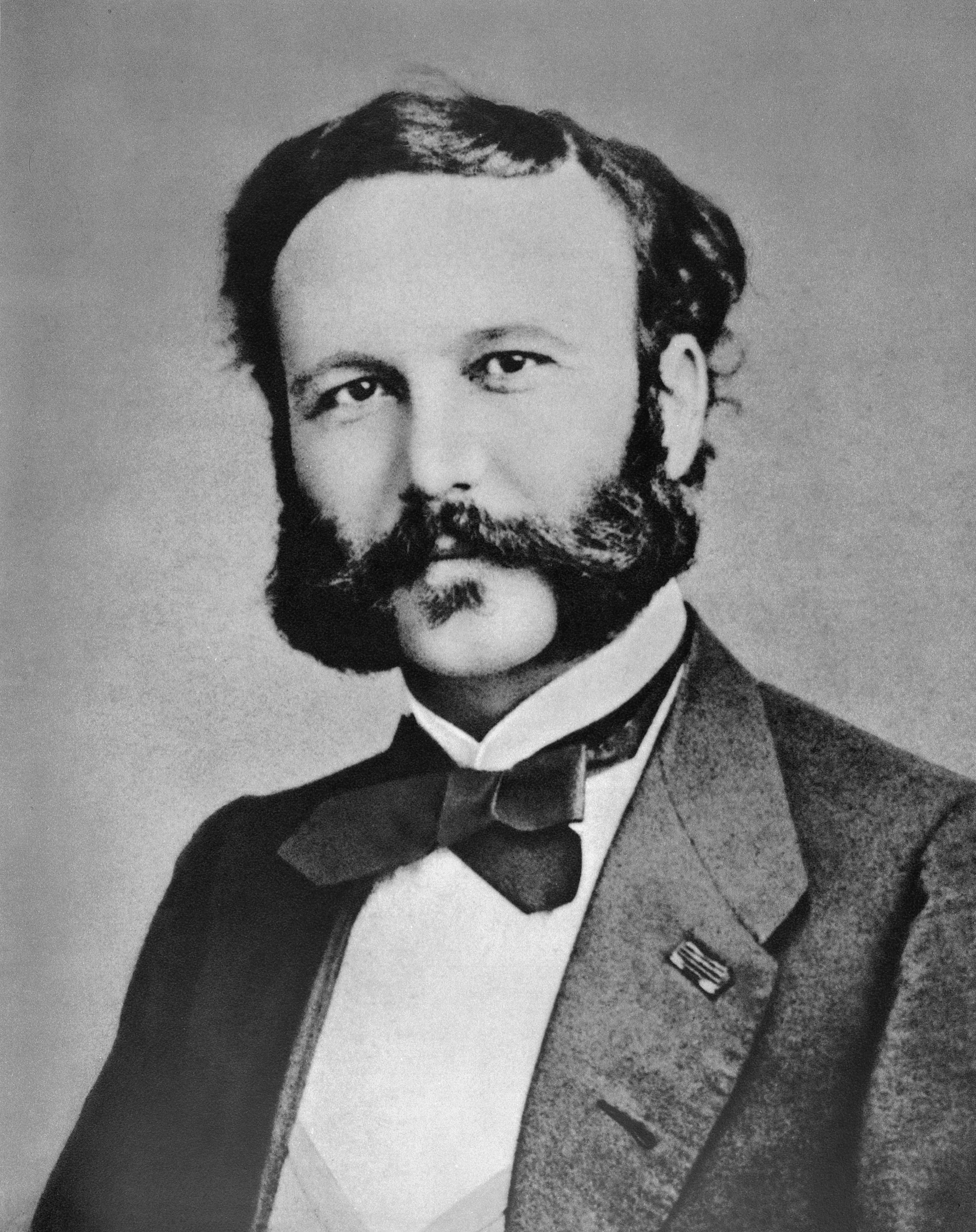
Photo © Public Domain
The Geneva Convention
On 22 August 1864, twelve States signed the first Geneva Convention. It obliged the parties to a conflict to care for wounded and sick soldiers without distinction and to protect medical personnel, field hospitals and medical transports. A red cross on a white background – the reverse of the Swiss flag – was adopted as a clearly visible protective emblem. This marked the birth of an international humanitarian movement and laid the foundations of modern international humanitarian law.
The ICRC – Guardian of International Humanitarian Law
Following the experience of subsequent wars, the rules were revised and extended several times. The decisive step came after the Second World War: on 12 August 1949, States adopted the four Geneva Conventions that remain in force today. They protect wounded and sick members of armed forces on land; wounded, sick and shipwrecked members of armed forces at sea; prisoners of war; and civilians. The Additional Protocols of 1977 subsequently strengthened protection for the victims of international and non-international armed conflicts.
The ICRC did not itself enact these treaties – rules of international law are negotiated and adopted by States. However, the Committee provided the decisive impetus for their creation and has contributed to their development ever since. It visits prisoners of war and other detainees, assists wounded people and civilians, acts as a neutral intermediary between parties to conflicts, and reminds governments and armed forces of their obligations. For this reason, the ICRC is often described as the guardian of international humanitarian law.

Photo © Torbjorn Toby Jorgensen / CC BY-SA 2.0
Old Principles, New Wars
The fundamental principles of the Geneva Conventions have lost none of their importance. Modern warfare, too, must distinguish between military objectives and civilians. Attacks must not cause disproportionate harm, while the wounded, prisoners and people who are not, or are no longer, participating in hostilities must be protected. Yet these rules were developed for an era in which wars were fought by soldiers using tanks and artillery.
Autonomous Weapon Systems
Today, drones can launch attacks across continents, cyberattacks can disable hospitals, and autonomous weapon systems can, once activated, evaluate information from their surroundings, select objects or people on the basis of a generalised target profile and initiate an attack without further human intervention. In such circumstances, a human operator may determine neither the specific target nor the precise time and location at which force is applied.
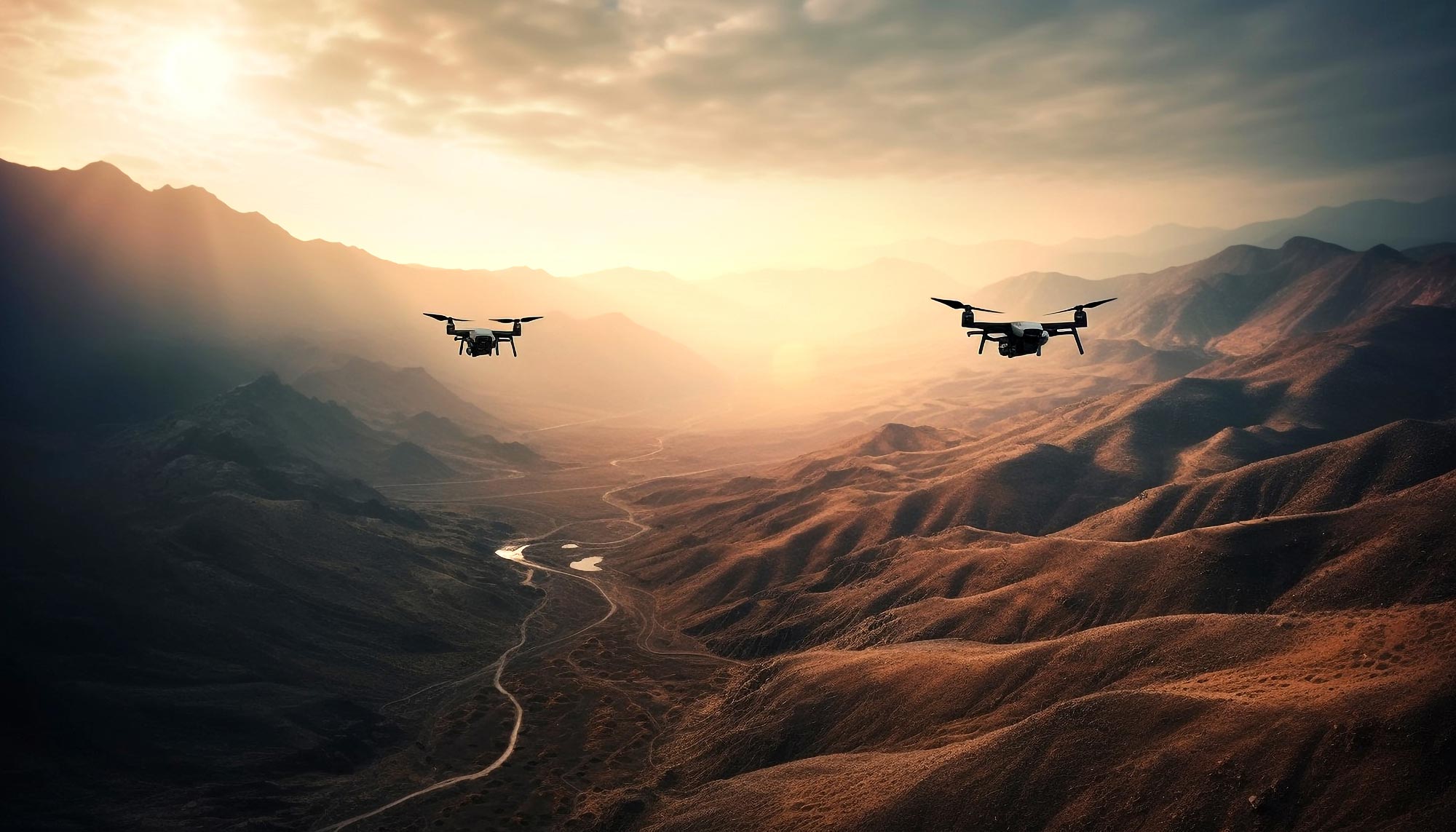
Photo © Magnific / vecstock · Generated with AI
Unintended Victims
This changes the way decisions over life and death are made. The more complex a system and its operating environment, the more difficult it becomes to anticipate, understand and explain its behaviour. Faulty sensor data, inadequate target profiles or unforeseen changes in the surroundings may result in civilians or civilian facilities being attacked. There is also a danger that military decision-making will accelerate: if systems react within fractions of a second, there may be no time for human review, correction or de-escalation.
Cyberattacks on Infrastructure
Cyber operations also present international humanitarian law with new challenges. Attacks on power grids, hospitals, communications systems or water supplies can have grave consequences for civilians without a single shot being fired. Much digital infrastructure serves both civilian and military purposes. Malware may spread beyond its intended target, while identifying those responsible with certainty is often extremely difficult. Cyberattacks can also cross national borders within moments.
The ICRC's Demands
The ICRC therefore argues that international humanitarian law must be clarified and supplemented by new binding provisions before technologies and operational practices create irreversible realities. Unpredictable autonomous weapon systems should be expressly prohibited where their effects cannot be sufficiently understood, anticipated and explained. The ICRC also calls for a ban on autonomous systems designed or used to select and attack human beings without human intervention.
Other autonomous weapon systems should be subject to strict restrictions. Regulations would need to specify, among other things, the types of target that may be attacked, the duration and geographical scope of a system's deployment, and the circumstances in which its use is permissible. Effective human supervision would also be required, together with the ability to intervene and deactivate the system in a timely manner.
The International Community's Responsibility
The ICRC addresses its demands to the 196 States that have ratified the Geneva Conventions. The Conventions are therefore among the very few international treaties to which every State in the world is party. Governments, however, are not alone in bearing responsibility. Armed forces, the scientific community, technology companies and the defence industry must also act. They must disclose technological limitations, assess risks and ensure that human judgement is not replaced by opaque machine processes. At its heart lies a question that already concerned Henry Dunant: how can a minimum of humanity be preserved even in war?
From 16 to 20 November 2026, the Seventh Review Conference of the Convention on Certain Conventional Weapons will take place in Geneva. The ICRC regards it as a crucial opportunity to begin negotiations on a new legally binding protocol on autonomous weapon systems.