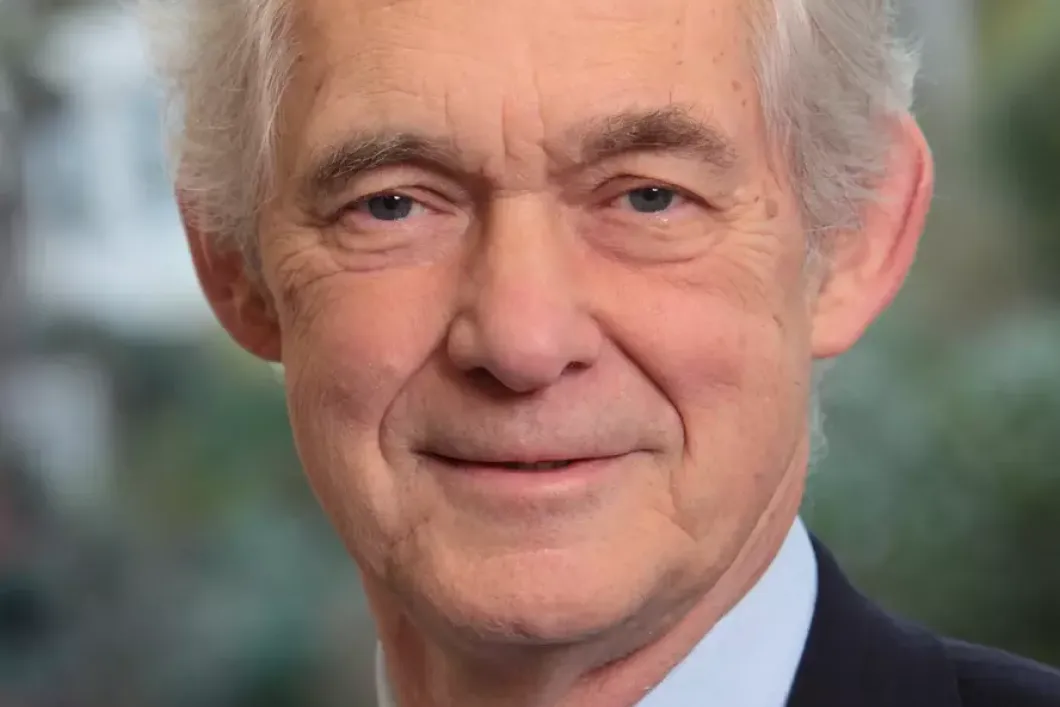
Interview with Prof. Dr Christoph Wulf, Vice President UNESCO
Intangible Cultural Heritage
Traditions, Dances and Techniques
3 November 2025
The Intangible Cultural Heritage of Humanity
What do the Neapolitan art of pizza-making, the carnival in Barranquilla in Colombia and Nowruz have in common? They are all part of the Intangible Cultural Heritage of Humanity. Prof. Dr Christoph Wulf, who was chair of the Intangible Cultural Heritage Committee for many years, talks to Diplomatisches Magazin about why traditional festivals and celebrations are part of human culture.
DM Prof. Dr Wulf, first of all, what does ‘intangible cultural heritage’ mean?
Prof. Dr Christoph Wulf Intangible cultural heritage refers to living traditions that are passed down through generations while also being constantly revitalised. It is not about buildings or monuments, but about knowledge, skills, and forms of expression that shape our lives. This includes storytelling, music, dance, rituals, festivals, knowledge of nature, and craft techniques. UNESCO refers to it as ‘living heritage’ because it is constantly evolving. Each generation adapts it to their own environment and interprets it differently. This keeps it relevant while also ensuring it remains deeply rooted. This heritage creates identity, strengthens communities and preserves diversity. It is manifested in everyday life through singing, learning dances, workshops, festivals, families and clubs. This creates a social space in which skills are shared, knowledge is preserved, and creativity is encouraged. Intangible cultural heritage is not a museum piece; it is a living practice that connects people and builds bridges between the past and the present.
DM Why are festivals and celebrations included?
Prof. Dr Christoph Wulf Festivals are probably the most visible form of intangible cultural heritage. They bring people together by combining music, dance, crafts, cuisine and rituals into a shared experience. Festivals are more than just occasions for celebration; they structure the course of the year, create memories and strengthen social cohesion. The Durga Puja festival in India is a clear example of this: neighbourhoods are transformed into artistically designed temples, craftspeople work for weeks on figures and stage sets, and millions celebrate together. Equally influential is Nowruz, the spring festival celebrated from Central Asia to the Middle East, which marks the beginning of spring and connects families across borders. Such festivals are not the folklore of the past, but a living part of the present. They demonstrate how traditions can keep songs, dances and crafts alive, transform places into meeting points, and bring people together across generations. Festivals are thus much more than entertainment; they are an expression of identity in action.
DM What criteria must be met for a festival to be recognised as part of the Intangible Cultural Heritage?
Prof. Dr Christoph Wulf In order for a festival to be recognised, it must generally have been held regularly for several generations and be recognised by its community as an important part of their identity. The community, known as the supporting group, must endorse the application for Intangible Cultural Heritage status and actively promote it. The application must include concrete measures for the future preservation and development of the cultural heritage, such as documentation, training and the involvement of young people, as well as support for practitioners. Additionally, the festival must be listed in a national register before UNESCO can include it in its global lists of Intangible Cultural Heritage. The Oruro Carnival in Bolivia is a good example of this: it combines dances, masks, music and elaborate costumes, and is prepared each year by the city’s community, which has programmes for passing on the skills. The Día de los Muertos in Mexico meets the criteria, as families set up altars and offer food and flowers, passing on rituals in schools and communities. This means they meet the requirements for UNESCO inscription: they are active, supported by the local population, and they promote dialogue and visibility far beyond their own region.
DM How does a community or region benefit when a festival is recognised as Intangible Cultural Heritage? Are there any obligations associated with this?
Prof. Dr Christoph Wulf For a community, inclusion is a great honour. The festival becomes more prominent in the public consciousness, attracts visitors, and often strengthens the local economy. But, more importantly, people recognise the value of their traditions, take pride in them, and pass on knowledge, songs, dances, and skills. This creates cohesion. However, recognition also comes with obligations: the community must keep the celebration alive, involve the bearers of tradition, and document and communicate regularly. Funding does not flow automatically, but visibility helps to gain support. Partnerships often develop with museums, cultural associations and schools, which create educational materials, build archives and design programmes for children. In this way, the title becomes an incentive not only to celebrate a festival, but also to ensure that future generations can continue to do so.
DM Thank you very much for this interview.
Interview: Marie Wildermann