Interview with Cem Özdemir
‘Good food for Germany’ – The German government’s nutrition strategy
1 December 2024
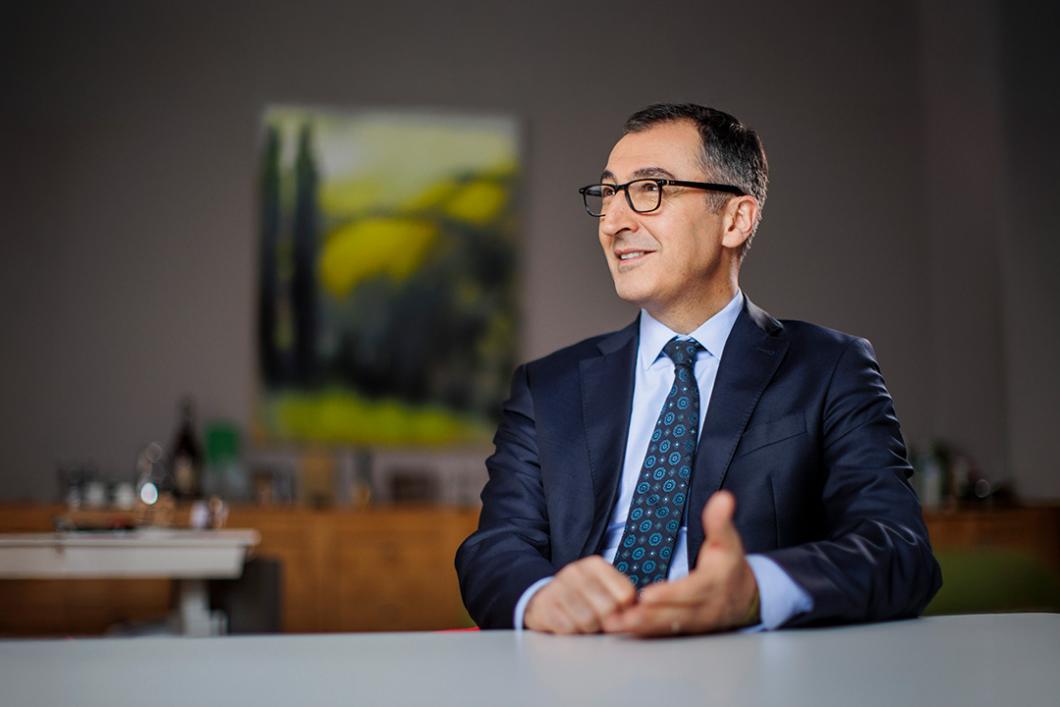
At the beginning of 2024, the Federal Ministry of Food and Agriculture (BMEL) presented a nutrition strategy: the aim is to make the German diet healthier and more plant-based. Why the strategy is unlikely to be a major game changer – read more in the interview with Cem Özdemir, Federal Minister of Food and Agriculture.
DMMr Özdemir, your ministry presented the German government’s nutrition strategy at the beginning of this year. What was the motivation behind this?
Minister Cem Özdemir Food creates community, shapes our culture and affects our health and our environment. And quite often, food is simply a pleasure! And of course, everyone decides for themselves what tastes good and what they eat. In view of the existential importance of nutrition, it is surprising that no previous federal government has presented a nutrition strategy. Our goal is for everyone to have the chance to eat well.
Unfortunately, we see that not everyone can eat healthily and sustainably – for a variety of reasons. The consequences of an unhealthy diet can be serious. Diet-related illnesses are widespread; for example, more than one in ten people in Germany suffer from type 2 diabetes. We want everyone in our country to have a fair chance of growing up healthily and living healthily into old age. The great liberal thinker Lord Dahrendorf once put it succinctly: ‘A “Republic of Education” can fail over lunch.’ In other words, the question of nutrition also determines life chances. And that starts with children. With the nutrition strategy, we want to make it easy for everyone to eat well if they want to.

DMWhat are the core contents of the strategy?
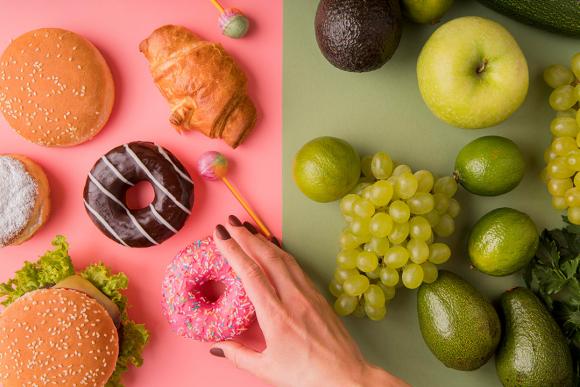
Minister Cem Özdemir With the nutrition strategy, the federal government wants to make it possible and easy for everyone in Germany to eat well. To this end, we have agreed on around 90 measures from a wide range of areas, and not just from the areas for which my ministry is responsible. We want to support adequate nutrition and exercise for people just as much as we want to significantly reduce food waste. We want to promote a plant-based diet and create socially just access to healthy and sustainable nutrition, increase the supply of sustainably and organically produced food and improve communal catering.
Think, for example, of daycare centres and schools, canteens or hospitals: 16 million people eat in all these communal catering facilities every day, including a good six million children and young people. For me, ensuring that good food is available there is not only a matter of respect, but also a huge opportunity.
If you compare our goals with the demands formulated by the Citizens’ Assembly on Nutrition set up by the German parliament, you can see that we have a lot in common. This is a tailwind for my ministry’s nutrition policy, which is geared to people’s needs and desires.
DMThe first measures of the nutrition strategy are to be implemented by 2025. What are these measures?
Minister Cem Özdemir Around two-thirds of the measures are already being implemented. Important structural decisions have also been taken, such as the establishment of an office and an interministerial working group. Some projects that have been incorporated into the strategy have been running successfully for some time, such as our ‘Too good for the bin!’ initiative, which informs private households about ways to avoid wasting food, or the national action plan IN FORM – Germany’s initiative for healthy nutrition and more exercise.
Many measures are now really taking off, especially the implementation of the model region competition ‘Ernährungswende in der Region’ (Food Change in the Region). We want to support up to twelve project networks with a total of twelve million euros spread across the whole of Germany. Five model projects have already started. They are developing ideas and concepts for how to bring together regional producers, retailers, consumers and out-of-home catering. It is an enormous benefit for everyone when, for example, the vegetables for lunch in the school or university cafeteria come from a local farmer.
And speaking of networking: the first German Nutrition Day, organised by the BMEL and dedicated to the topic of communal catering, took place in June – the feedback was overwhelming. We will repeat it in 2025.

DMWhere is the greatest potential for conflict in implementing the strategy?
Minister Cem Özdemir Implementation is not the sole responsibility of the federal government. We need everyone: the federal states, science, business, the health sector and civil society to work together to ensure good nutrition for all. We have created instruments and formats to ensure the necessary exchange.
Of course, there is still a lot to be done, for example, with regard to the still excessive sugar, fat and salt content in many ready-made products. And it is also not helpful when our children are constantly exposed to advertising for food that contains too much sugar, fat or salt. Of course, companies can continue to advertise their products in the future. But I believe that we also need targeted rules that protect our children and empower parents.
DMIf you favour a predominantly plant-based nutrition, wouldn’t it make sense to steer it in that direction, for example, by eliminating VAT on fruit and vegetables? That would make a huge difference. Why isn’t ‘zero VAT on fruit and vegetables’ part of the nutrition strategy?
Minister Cem Özdemir Personally, I am very much in favour of reducing VAT on fruit, vegetables and legumes to zero. This would help many people and could also contribute to better health. But I am not the finance minister. Even though I have a lot of support in society for this tax reform, there is no majority for it in the coalition.
DMNutrition is a highly politicised issue for many people, especially when it comes to meat consumption. What is your position on this?
Minister Cem Özdemir I don’t believe in culture wars. Everyone should eat what they want. I recently presented the Nutrition Report, and lo and behold: people like to try new things, and also choose vegetarian alternatives. What is important to them when eating is that it tastes good and is as healthy as possible. It is clear that people are obviously much further ahead than some Bavarian politicians, who want to use their social media channels to tell us every day how many Nuremberg sausages and how many litres of beer we have to consume to be a good citizen. I find that intrusive.
In the food industry, we just smile wearily at that, because we have long since responded to changing eating habits. Last summer, I visited a major manufacturer of sausage and meat products that started producing plant-based alternatives ten years ago. Now, more than 50 per cent of its sales are veggie products. We shouldn’t be making policy against people, but rather supporting them in eating well. We want real freedom of choice. Our nutrition strategy is a strategy of enabling.
DM Minister Cem Özdemir, thank you for this interview.