Climate Change: A Threat to Body and Mind?
15 August 2026
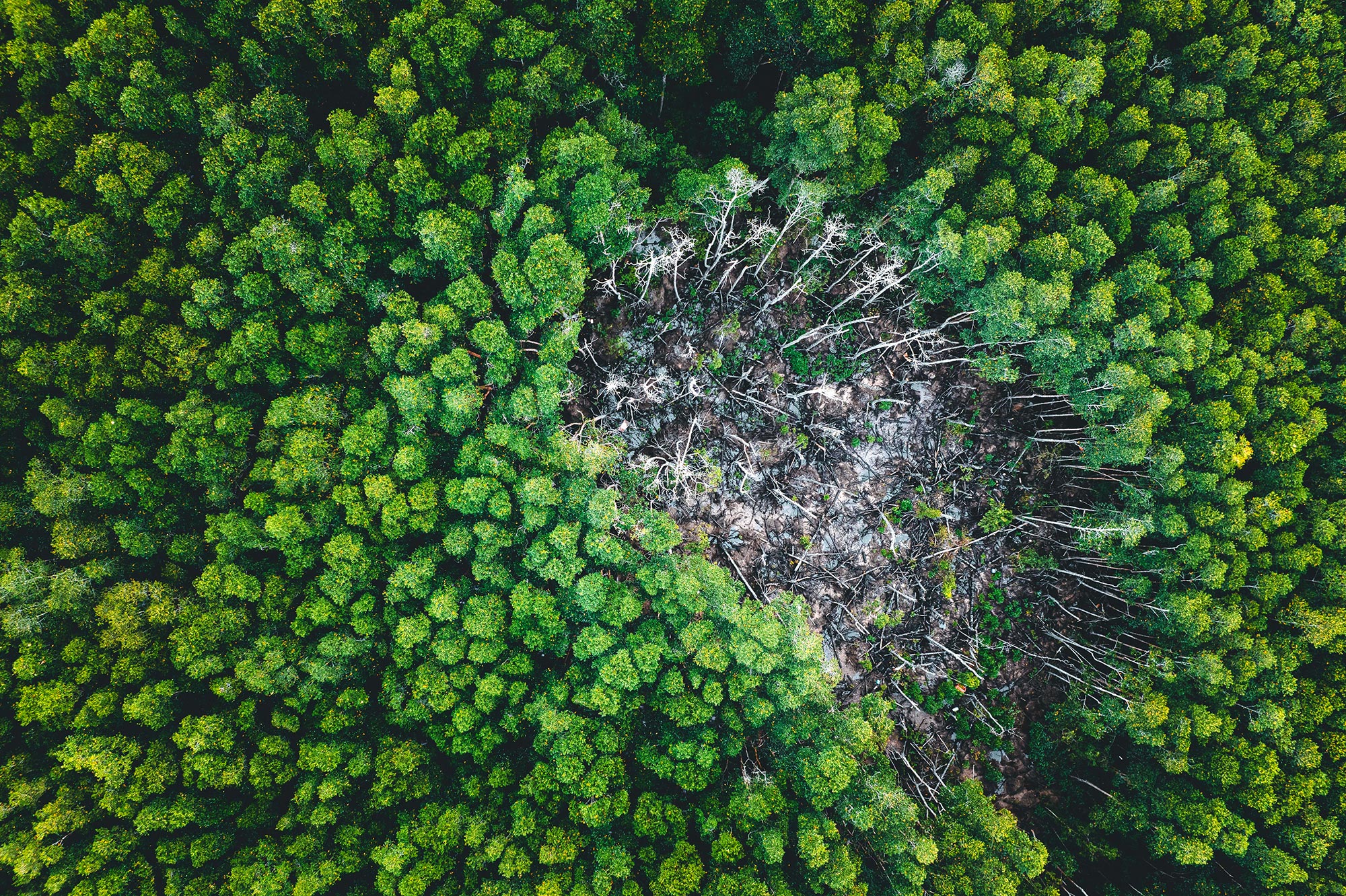
Photo © Pok Rie / Pexels
Climate change is increasingly recognized as one of the greatest health threats of the twenty-first century, affecting human wellbeing in physical, psychological, and social dimensions. Rising temperatures, more frequent heatwaves, changing precipitation patterns, floods, droughts, and sea-level rise erode environmental and social determinants of health, from access to safe water and food to stable livelihoods and social cohesion. These changes compound inequities within and between countries, disproportionately affecting children, older people, persons with chronic conditions, and communities with limited adaptive capacity.
Health effects of various kinds
Acute health consequences include increased death and disease from heatwaves, storms, floods, and wildfires. Prolonged high day- and night-time temperatures strain the body, raising the risk of heat exhaustion, heatstroke, cardiovascular events, and acute kidney injury, particularly in people with pre-existing conditions. Extreme weather events cause injuries and fatalities but also damage health facilities, disrupt supply chains, and interrupt essential services.
Subacute effects emerge where recurrent climate-related events reshape living environments. In coastal and riverine areas, repeated flooding and storm surges damage housing, transport networks, and health facilities, undermining access to care and safe spaces. Degradation of infrastructure and contamination of water and soil create persistent health risks, particularly in informal urban settlements and marginal rural areas.
Chronic impacts manifest through long-term changes in temperature, rainfall, and ecosystems that undermine food systems, livelihoods, and health infrastructure. Droughts and shifting precipitation patterns reduce agricultural yields, contributing to food insecurity and undernutrition, especially in low-income and rural communities. Over time, climate-related damage to hospital buildings, primary care facilities, and supply chains necessitates investment in resilient design and maintenance. Climate-sensitive infectious diseases add to this strain: warmer temperatures and altered rainfall create favorable conditions for vectors such as mosquitoes and ticks, extending their geographic range and transmission seasons.
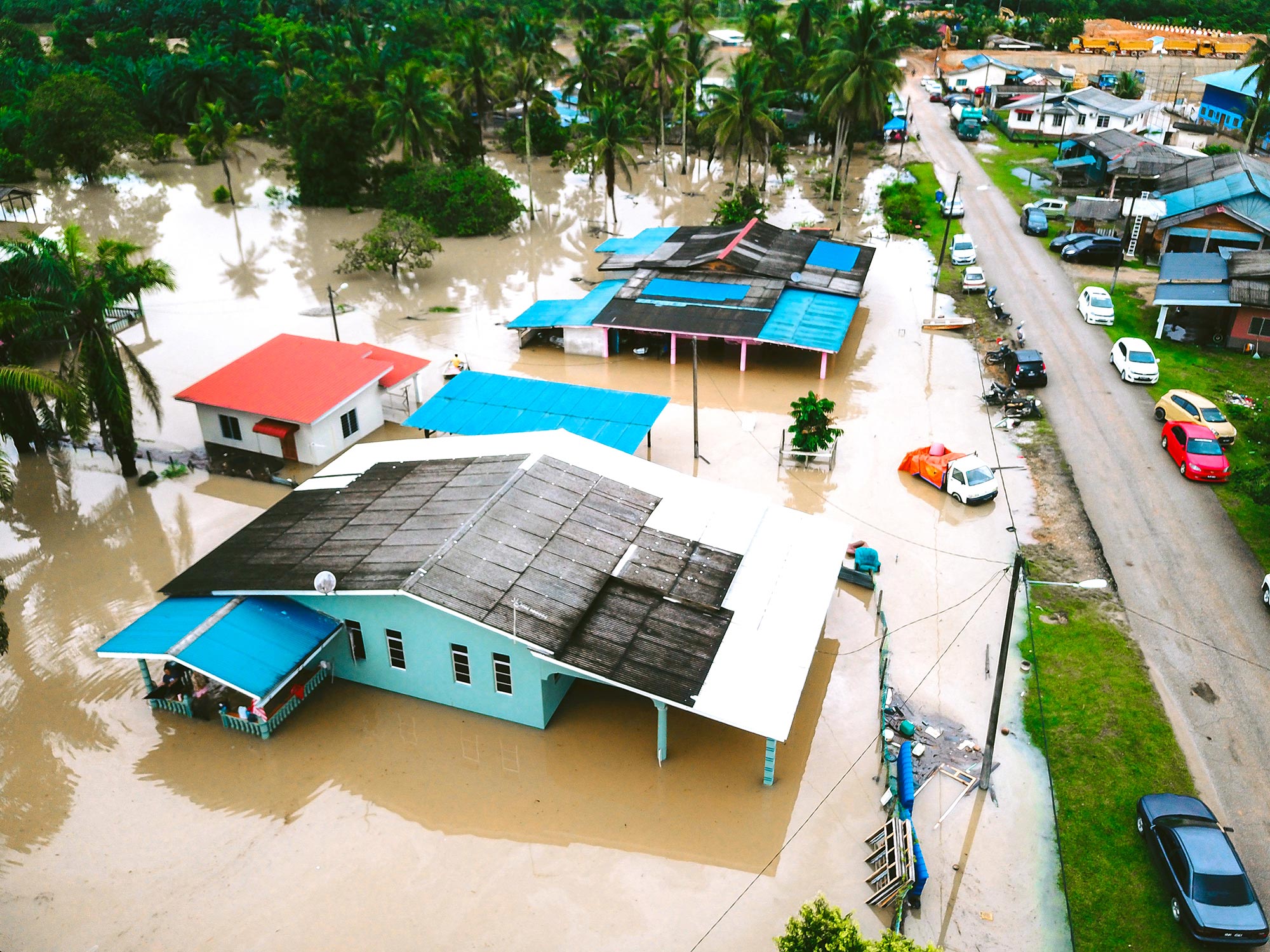
Photo © Pok Rie / Pexels
Effective protection against climate-sensitive infectious diseases requires more than clinical preparedness; it demands rebuilding and reorienting medical infrastructure and procedures. Health systems need robust surveillance capacities, climate-informed risk assessment, and service models that can function during and after extreme events. Priorities include strengthening laboratories, securing cold chains and stock management, improving infection prevention and control, and revising diagnostic and treatment protocols. Training health workers, integrating early warning systems, and embedding these functions in primary care and public health services help detect and respond to outbreaks while maintaining care.
Beyond physical outcomes, climate shocks and gradual environmental changes disrupt livelihoods, displace communities, strain relationships, and weaken social support structures. These stressors can manifest as chronic worry and feelings of loss related to damaged places and ecosystems. Vulnerable groups, including low-income households, Indigenous communities, migrants, and people with disabilities, often face overlapping stressors: heightened exposure to hazards, reduced access to services, and marginalization in adaptation processes.
Mitigation and Adaptation
Many health impacts of climate change can be reduced through mitigation and adaptation. Mitigation—reducing greenhouse gas emissions—remains fundamental, as it limits future hazards and protects health over the long term. At the same time, health systems and societies must adapt to impacts that are already unavoidable, for example by strengthening primary care, integrating climate risk into health planning, investing in resilient infrastructure, and aligning infectious disease control with climate resilience strategies. Heat–health action plans, climate-informed urban planning, climate-smart agriculture, livelihood diversification, and social protection schemes can lower health risks while advancing equity and sustainable development.

Photo © Egor Kamelev / Pexels
Akkon University for Human Sciences in Berlin is Germany’s first university dedicated explicitly to the human sciences, with a strong focus on health, humanitarian assistance, and social development. Founded in 2009 by Johanniter-Unfall-Hilfe e.V., it combines academic training with a clear commitment to humanitarian values and practice-oriented education, preparing professionals to assume responsibility in fragile and crisis-affected contexts.
IRIA, the Institute for Research in International Assistance at Akkon University for Human Sciences in Berlin, conducts applied research and capacity development at the interface of global health, humanitarian aid, and development cooperation. Building on close partnerships with ministries, academic institutions, and civil society organizations, the institute focuses on fragile and crisis-affected settings where health systems are under severe strain. Its work ranges from health systems strengthening and epidemic preparedness to civil–military cooperation, climate-related health risks, and the control of re-emerging infectious diseases. Across all projects, IRIA emphasizes participatory approaches, co-production of knowledge with local partners, and the translation of scientific evidence into practical guidance for policymakers and practitioners. In doing so, it aims to support more resilient, equitable, and context-sensitive health responses in a rapidly changing world.
IRIA’s International Project Portfolio
This mission becomes particularly visible in IRIA’s international project portfolio. The institute coordinates multi-year cooperation programs that combine research, training, and policy dialogue, often in close collaboration with German and international funding bodies. In Yemen, IRIA and its partners support the development of mental health and psychosocial support structures in a crisis context, working with local health professionals and communities. In South Africa, IRIA contributes to joint German–South African initiatives on climate and health that examine how heat, drought, and other climate-related stressors affect vulnerable populations and health systems. These collaborations link empirical studies with curriculum development and the training of local professionals, thereby strengthening both the evidence base and the institutional capacities needed to address mental health in conflict settings and climate-related health risks in low- and middle-income countries.
Part 2
The Mental Toll of a Changing Climate
Emerging evidence suggests that climate change not only impacts our physical health, but also our mental health, for example through natural disasters, rising temperatures and heat waves, or by feeling worried and concerned about the future.
Natural Disasters
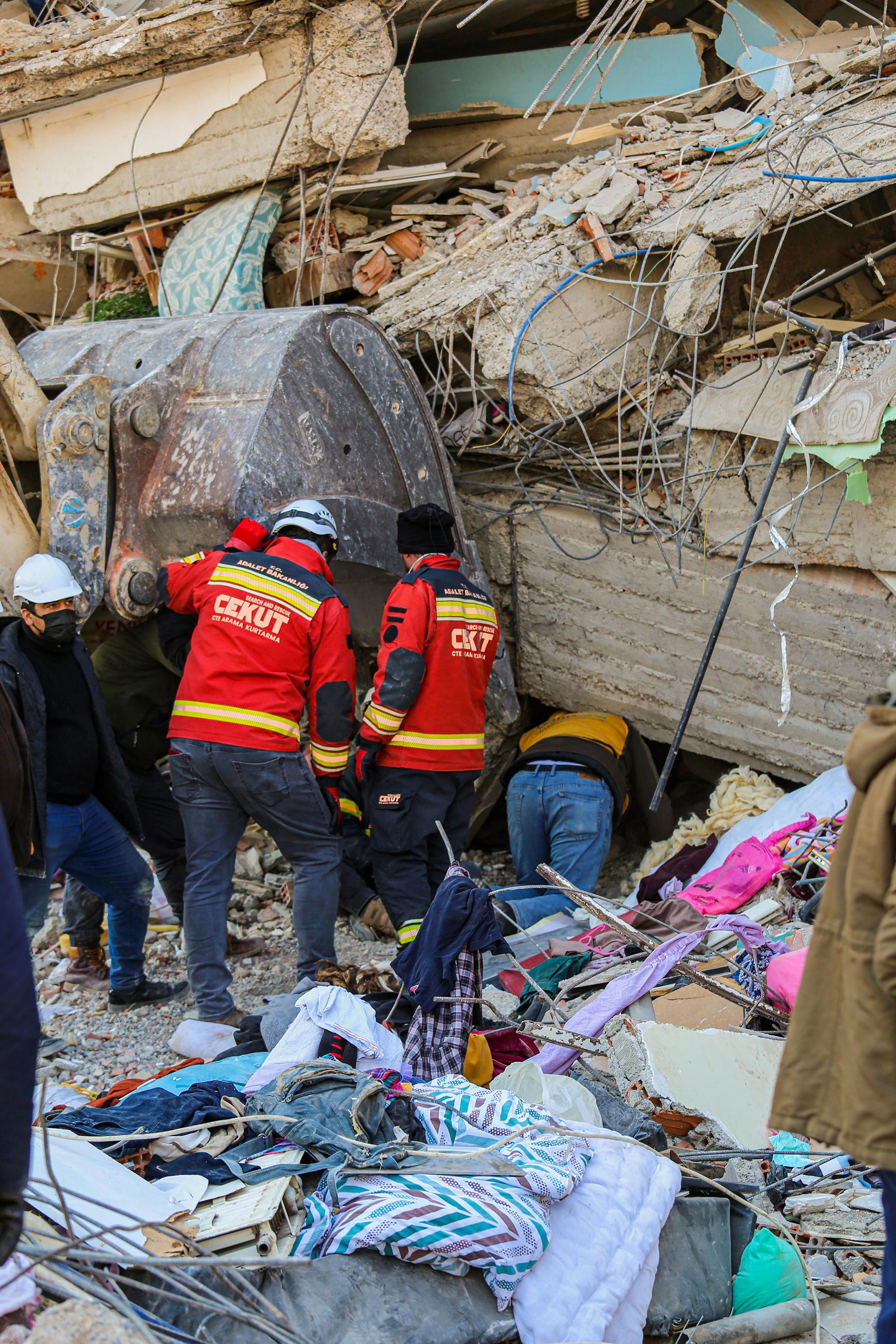
Extreme weather events and natural disasters, including earthquakes, floods, storms, and wildfires often leave behind destroyed homes, lost livelihoods, separated families, and, for many, the loss of loved ones. Those affected often report increased fear, stress, nightmares, and grief. For many, the initial emotional reactions to the event gradually ease as they recover and rebuild their lives. However, for some, the mind and body continue to respond as though the threat were still present. Intrusive memories, nightmares, heightened vigilance, and difficulties concentrating may persist long after the disaster has ended. When these symptoms last for more than a month, they may indicate Post-Traumatic Stress Disorder (PTSD). The experience of natural disasters has also been linked to higher rates of depression and anxiety.
The association between extreme weather events and mental health outcomes has been documented across many types of disasters and in different parts of the world. Studies have reported increased rates of PTSD, depression, and anxiety following events such as the 2004 Indian Ocean tsunami; the devastating earthquake in Haiti in 2010; the earthquakes in Turkey and Syria in 2023; or the Ahr Valley floods in Germany in 2021.
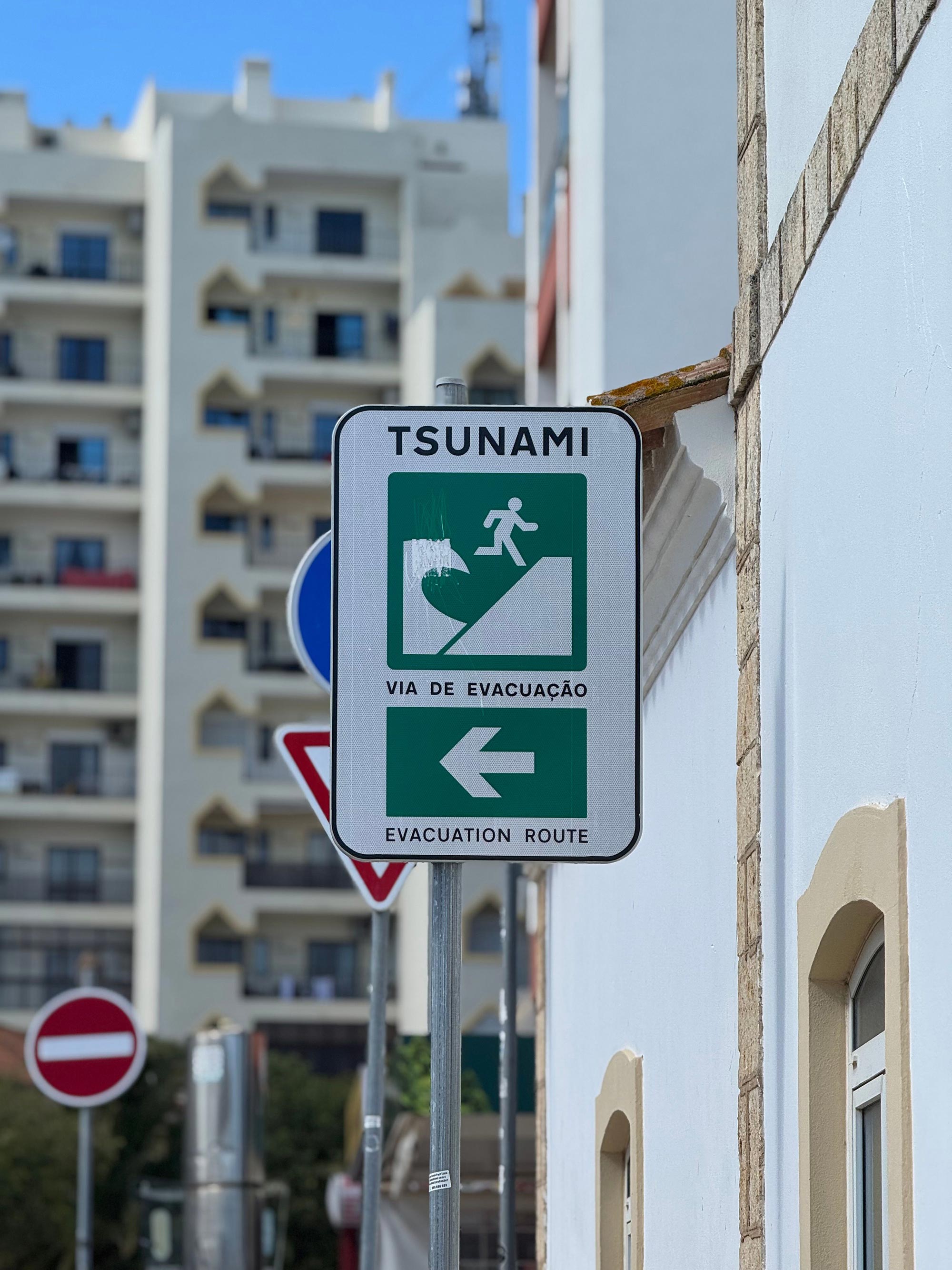
Photo © Prajwal / Pexels
© samimibirfotografci / Pexels
Immediate mental health support after a disaster is essential. Frontline workers typically provide Psychological First Aid (PFA), which focuses on promoting safety, offering practical assistance, reconnecting families, and referring survivors to health services. Providing support can be especially difficult in countries with fragile health systems, where disasters may damage health facilities, displace populations, and overwhelm limited resources. Yet these regions are often among the most vulnerable to natural disasters.
In these settings, communities themselves frequently become the foundation of recovery. Social connections, trust, and a strong sense of belonging can help people cope with crises and rebuild their lives. Community participation has been shown to strengthen resilience and improve the effectiveness of recovery efforts.
Heat and Mental Health
The planet is getting hotter, and the consequences extend beyond physical discomfort to our mental wellbeing and cognitive functioning.
In Germany, heat is defined as daytime temperatures above 30°C and nighttime temperatures above 20°C. When such conditions persist for several days, we call it a heatwave. Prolonged exposure to high temperatures can become dangerous. It can increase stress, impair emotional self-regulation, and promote impulsive, risky, and even aggressive behavior.
Recent findings highlight the scale of the problem. For every 1°C increase in temperature, the population suicide rate rises by an estimated 1.7%. During heatwaves, psychiatric hospital admissions increase by nearly 10%. Children and adolescents appear to be particularly vulnerable, with higher temperatures being associated with an increased risk of depression, schizophrenia, and suicidal behavior.
Sleep disturbances may offer a possible explanation. High temperatures are linked to poorer sleep quality, more frequent awakenings, and shorter sleep duration, all factors known to affect mental health. Heat may also reduce engagement in protective activities such as exercise, social interaction, and time spent outdoors. Although the underlying mechanisms are not yet fully understood, one conclusion is becoming increasingly clear: rising temperatures are not only a challenge for physical health but also a growing threat to mental wellbeing.
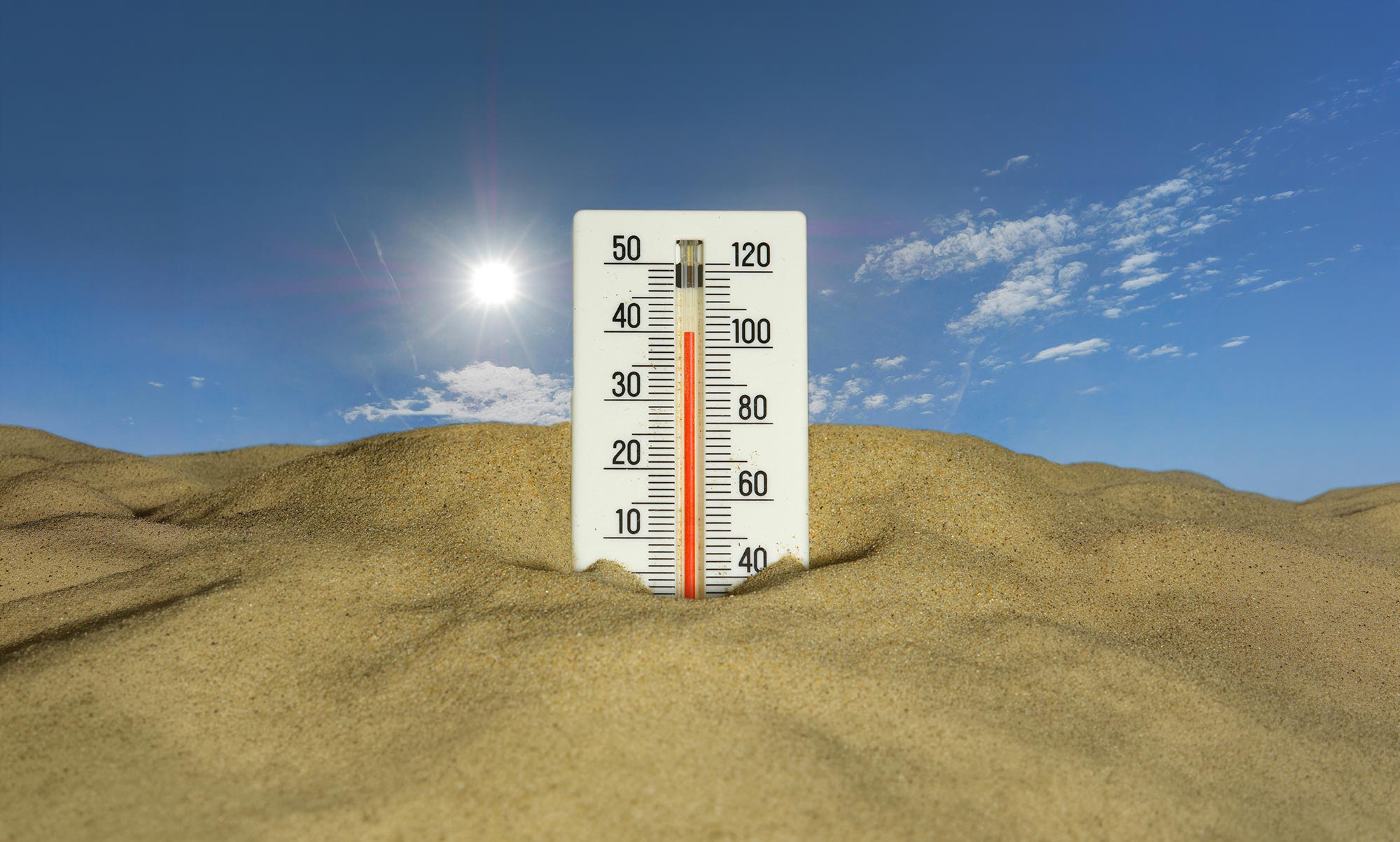
Photo © Immo Wegmann / Unsplash
Climate Anxiety
Beyond the direct effects of disasters and heat, climate change can also affect mental health through the emotions it evokes. Climate anxiety describes feelings of worry, stress, or fear related to climate change and its consequences for society, the environment, and future generations. Although climate anxiety is not classified as a mental health disorder, it is an increasingly recognized and rational response to a changing world.
Especially younger generations feel a growing concern for the future due to climate change and a high frustration with the inaction of governments to address the climate crisis. In Germany, nearly half of all young people report intense fears about the future because of the climate crisis. Across ten countries, 40 percent of young people say they are uncertain about having children due to concerns about climate change.
A related concept is solastalgia, a term describing the distress people experience when familiar environments change or disappear. This can result from rising temperatures, extreme weather events, or the loss of natural places such as forests, lakes, and moors. As landscapes change, people may experience a profound sense of loss, even while remaining in the place they call home.
Despite growing evidence that climate change affects psychological wellbeing, these impacts continue to receive far less attention than its physical, environmental, and economic consequences.
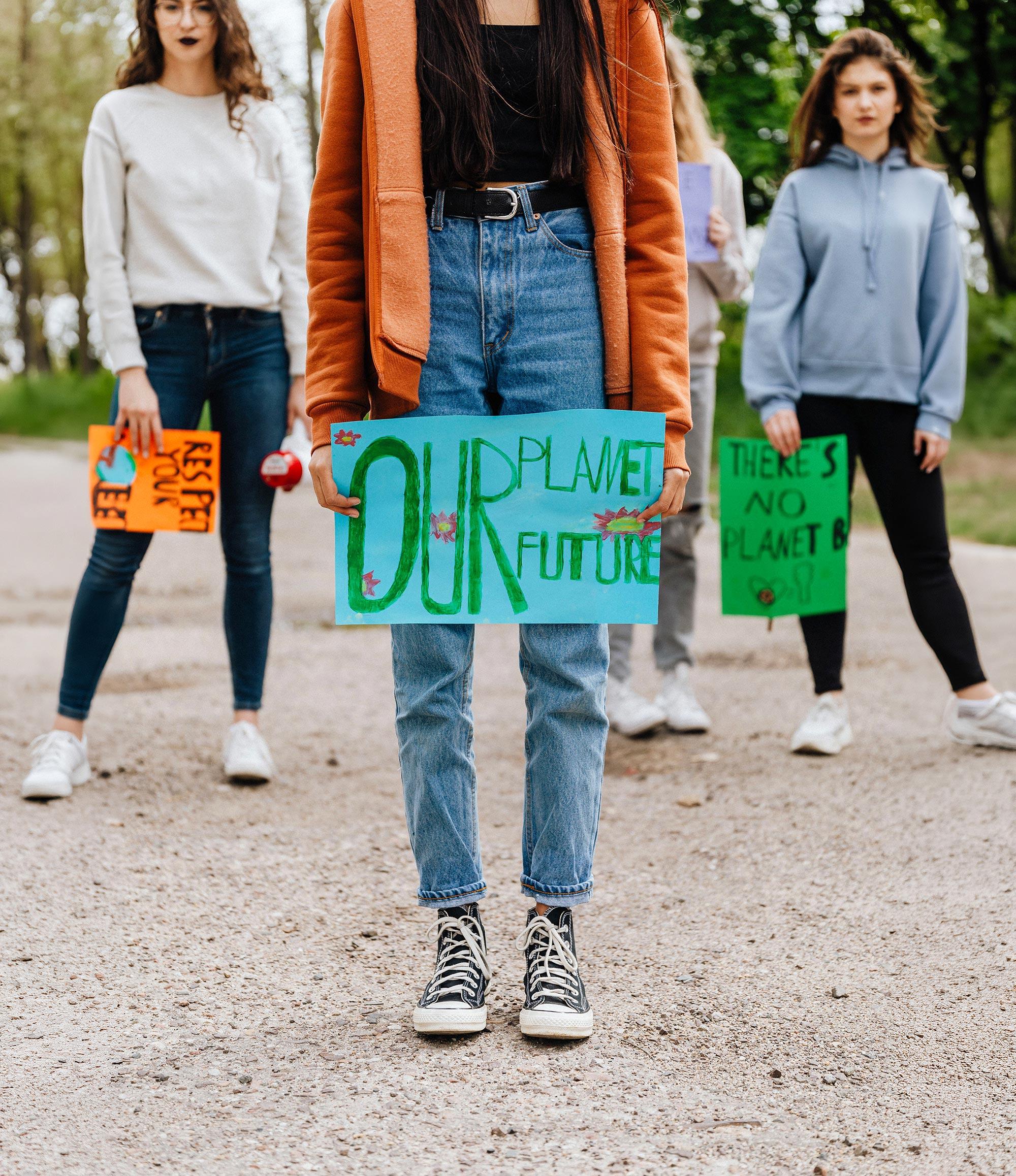
Photo © kaboompics.com / Pexels
Authors