Ageing researcher, Max Planck Institute for Biology of Ageing
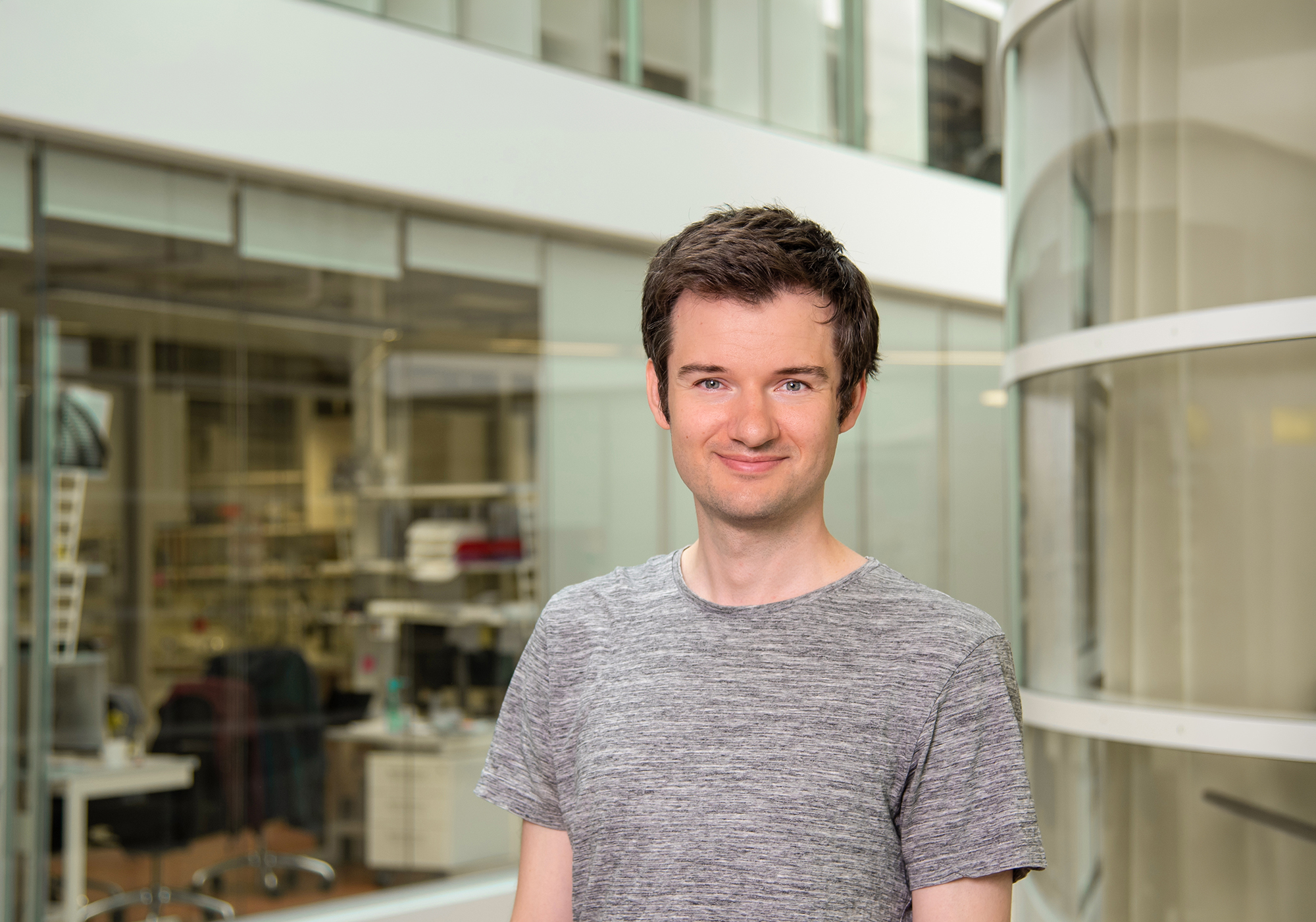
Dr Arthur Fischbach
Can We Stop Ageing, Dr Fischbach?
What science knows about the ageing process
17 July 2026
© K. Link, Max Planck Institute for Biology of Ageing
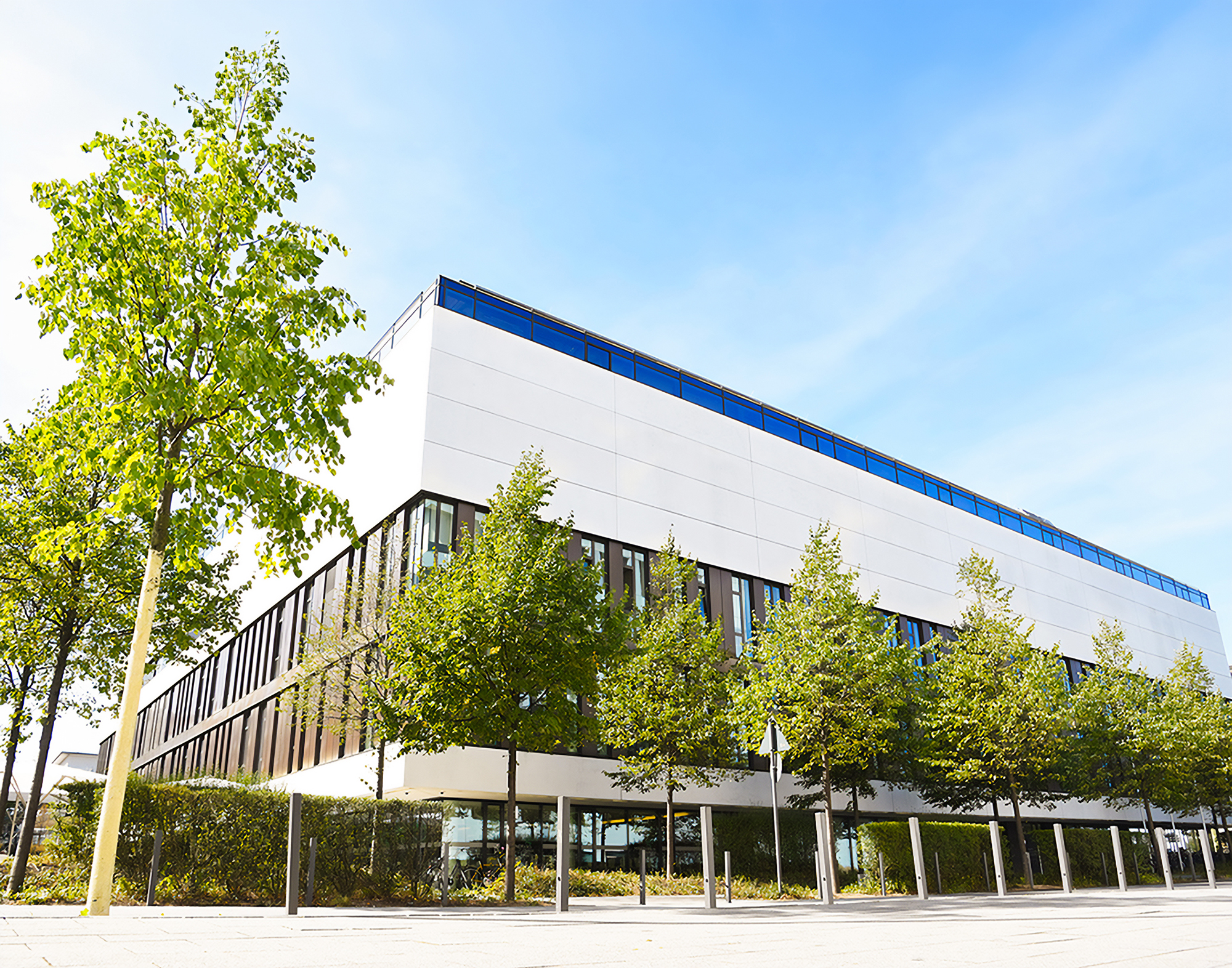
The Max Planck Institute for Biology of Ageing in Cologne studies the biological processes that determine how cells, tissues and organs age, and how these processes contribute to the development of age-related diseases. The aim of this research is to gain a deeper understanding of ageing and, in the long term, to develop new approaches to healthy ageing. Dr Arthur Fischbach is an ageing researcher at the Max Planck Institute for Biology of Ageing. Diplomatisches Magazin spoke with him.
- DM: Dr Fischbach, what does science tell us: can the ageing process be slowed down?
-
Dr Arthur Fischbach: Yes – at least in animal models, there is compelling evidence that biological ageing processes can be slowed. Researchers have shown in various model organisms, including nematodes, flies, killifish and mice, that interventions targeting metabolic pathways, diet, inflammatory processes or cellular repair mechanisms can extend lifespan.
In humans, however, the picture is far more complex. Studies have so far shown primarily that certain lifestyle factors can help reduce the risk of illness in old age. These include regular physical exercise, a healthy and balanced diet, sufficient sleep, not smoking, and maintaining strong social connections. Whether these measures can measurably and sustainably slow biological ageing itself is still the subject of intensive research.
Ageing is not a single process that can simply be switched off. It is the result of many interacting biological changes, such as DNA damage, chronic inflammation and mitochondrial dysfunction. Research is making significant progress in understanding these mechanisms, but we are still a long way from a reliable anti-ageing therapy for humans.
© Freepik · Generated with AI
- DM: Which breakthroughs are realistically within reach?
-
Dr Arthur Fischbach: Realistically, we are unlikely to see spectacular “rejuvenation pills” that simply reverse ageing in the next few years. What we will see, however, is a much better ability to measure ageing. Biomarkers and so-called epigenetic clocks are helping us assess the biological age of individual tissues and organs with greater precision. This could allow risks to be identified earlier and enable us to evaluate the effects of preventive measures or therapies more effectively.
In addition, new preventive and therapeutic approaches to age-related diseases are realistic. These include medicines already used for other conditions that are now being investigated for their potential effects on healthy ageing. Examples include Rapamycin, certain diabetes medications, and GLP-1 receptor agonists, which are found in the so-called weight-loss injections.
However, these approaches are not aimed at comprehensively rejuvenating people. Rather, they seek to influence specific biological processes associated with age-related disease. One important point remains: although many of these strategies have shown impressive results in animal models, no medication has yet been conclusively proven in scientific studies to extend human lifespan.
The long-term goal of ageing research is not to ensure that everyone lives dramatically longer, but rather to enable people to remain healthy, independent and free from serious age-related diseases for longer.
- DM: To what extent do people have control over whether they age healthily? Or is the ageing process largely determined by genetics?
-
Dr Arthur Fischbach: Genes play an important role in ageing – possibly a greater one than was assumed for many years. A recent study suggests that the heritability of human lifespan may be around 50 per cent. At the same time, lifestyle, environment and access to medical care also strongly influence how healthily we age. Through physical activity, balanced nutrition, sufficient sleep and social relationships, we can do a great deal to preserve our health in later life.
© MPI AGE / K. Link
- DM: What does longevity mean for society?
-
Dr Arthur Fischbach: Longevity means far more for society than simply the desire for a long life. The key question is how we shape those additional years: as healthy, active and self-determined years – or as years marked by illness and dependency on care.
If we succeed in extending healthy lifespan, the positive effects would be substantial. People could live independently for longer, remain active in society for longer, and age-related diseases might occur later or progress less severely. This would also reduce pressure on healthcare systems and long-term care services.
From a scientific perspective, longevity should therefore not be understood as a luxury project or as a promise of eternal youth. A meaningful focus is on healthy ageing.