The press office answers the questions from Diplomatisches Magazin
Between Competitive Pressure and Climate Targets
How Germany Is Reorienting Its Economic Policy
26 September 2026

Photo © Federal Government Press and Information Office · Katherina Reiche, Federal Minister for Economic Affairs and Energy
Germany’s industrial and energy policies are undergoing a fundamental realignment. How can resilient supply chains, international competitiveness and decarbonisation be reconciled? And which industrial-policy decisions must the Federal Government now take? A spokesperson for the Federal Ministry for Economic Affairs and Energy provided the ministry’s answers to the questions posed by Diplomatisches Magazin.
- DM: The pandemic, the energy crisis and geopolitical conflicts have demonstrated the vulnerability of Germany as a business location. In which strategic areas must the country become more independent and resilient – and how much state provision will this require?
-
Federal Ministry for Economic Affairs and Energy: The resilience of both the economy and the energy system is of paramount importance. The Federal Government is taking numerous measures to strengthen them. Since the onset of the energy crisis in 2022, Germany has pursued a policy of diversification and is now independent of Russian gas. The ongoing conflict surrounding the Strait of Hormuz demonstrates once again that the ability to land LNG on Germany’s coasts helps ensure a stable supply of natural gas even in times of crisis. The planned strategic gas reserve will provide Germany with additional protection in exceptional emergencies and further strengthen the resilience of its energy system. The Federal Government has also established a number of energy partnerships that enable Germany to diversify its sources of energy.
Germany remains heavily dependent on imports for raw materials, particularly rare earth elements. Other countries are already using these resources as leverage to achieve political objectives. Security of raw-material supplies is therefore essential to the economy. Overcoming dependencies that have developed over many years will require German businesses to intensify their efforts to diversify their sources of supply. The Federal Government is supporting this process through a broad range of measures, including the Raw Materials Fund, untied loan guarantees for raw-material projects, partnerships with countries such as Canada, Australia and India, and support for the circular economy.
Germany’s defence capabilities – and consequently its security and defence industry – are also of fundamental importance. The coalition agreement recognises that federal investment in key security and defence companies may be strategically necessary to safeguard Germany’s defence interests. As set out in the Start-up and Scale-up Strategy, the Federal Government will create a new vehicle within the Deutschlandfonds that will allow it, where appropriate, to invest directly in defence start-ups and scale-ups. At the same time, the expansion of this sector offers companies, including automotive suppliers, an opportunity to enter new markets.
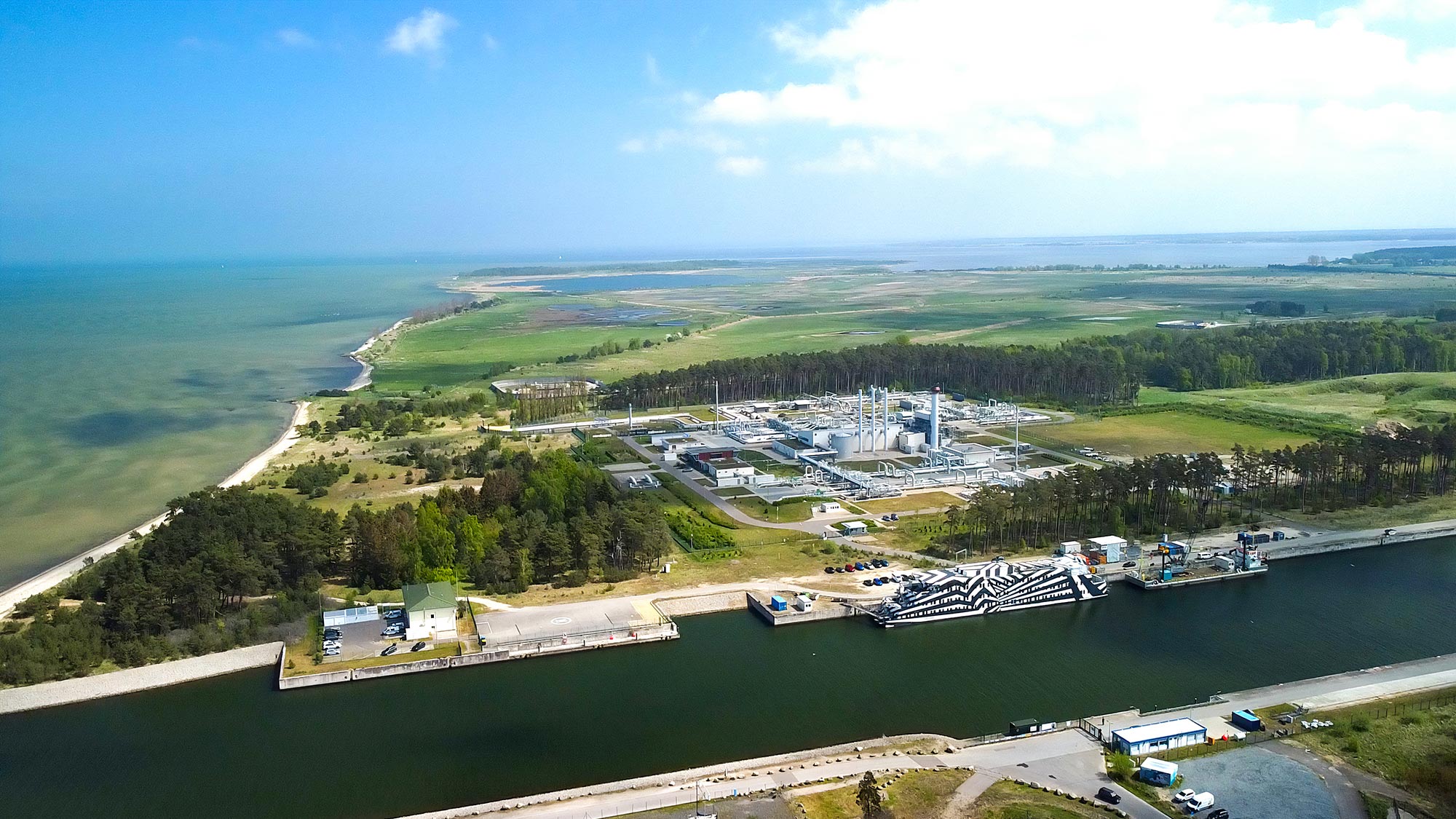
Photo © Pexels / Jan
- DM: High energy prices, bureaucracy and labour shortages are placing particular pressure on German industry. Which three measures should now take priority to make Germany more attractive once again as a location for production and investment?
-
Federal Ministry for Economic Affairs and Energy: The Federal Government’s clear objective is to create favourable conditions for a competitive, future-ready and innovative economy in Germany. High energy costs, excessive bureaucracy and regulation, and high non-wage labour costs are currently constraining competitiveness.
The Federal Government has already taken significant steps to stabilise energy costs. These include reducing electricity transmission-grid charges, abolishing the gas-storage levy, introducing an industrial electricity price and lowering electricity tax. It is also working to reduce bureaucracy substantially by accelerating planning, approval and procurement procedures and abolishing numerous reporting and documentation requirements. Fundamental structural reforms are also required: the labour market must become more flexible, while non-wage labour costs and the tax burden must be reduced. Work on these reforms is under way.
In relevant EU legislative matters, the Federal Government advocates pragmatic, low-bureaucracy and, wherever possible, technology-neutral solutions that support Germany as an industrial location.
It is also laying the foundations not only for renewed growth in established industries, but also for the development of new sectors in Germany. Measures include the Start-up and Scale-up Strategy, the Microelectronics Strategy, funding programmes for the semiconductor industry and the Federal Experimentation Act, which creates legal scope for the development and testing of emerging technologies.
- DM: Many energy-intensive companies face the dilemma of having to remain internationally competitive while simultaneously investing billions in climate-neutral production processes. How can this transformation succeed – and what responsibilities do government and business each bear?
-
Federal Ministry for Economic Affairs and Energy: The German economy is currently under considerable pressure, not least because of intense international competition, geopolitical conflicts and high energy costs. At the same time, many companies are undergoing a profound transformation that requires substantial investment and adjustment, including in relation to climate action. Climate policy can succeed in the long term only if it is technology-neutral, based on market principles and affordable for both businesses and the public.
The Federal Ministry for Economic Affairs and Energy takes these challenges very seriously. A range of measures has already been introduced to safeguard energy supplies, reduce energy costs and improve the conditions for growth and innovation. There are also specific funding programmes to support companies in their decarbonisation efforts, including Carbon Contracts for Difference and the Federal Funding Programme for Industry and Climate Action. Through these instruments, the ministry supports the transition of energy-intensive industries to low-carbon production processes across sectors and technologies.
The EU Emissions Trading System also plays a particularly important role. The European Commission has presented proposals for its reform. This process must be used to ensure that the system remains fit for the future while also taking account of the difficult situation facing industry. The ministry is working towards this objective.
At the same time, modernising industry, energy supplies and infrastructure presents opportunities for the German economy. Green-tech innovation can strengthen the competitiveness of German companies and create new value within Germany. The country is already very well positioned in this field by international standards.
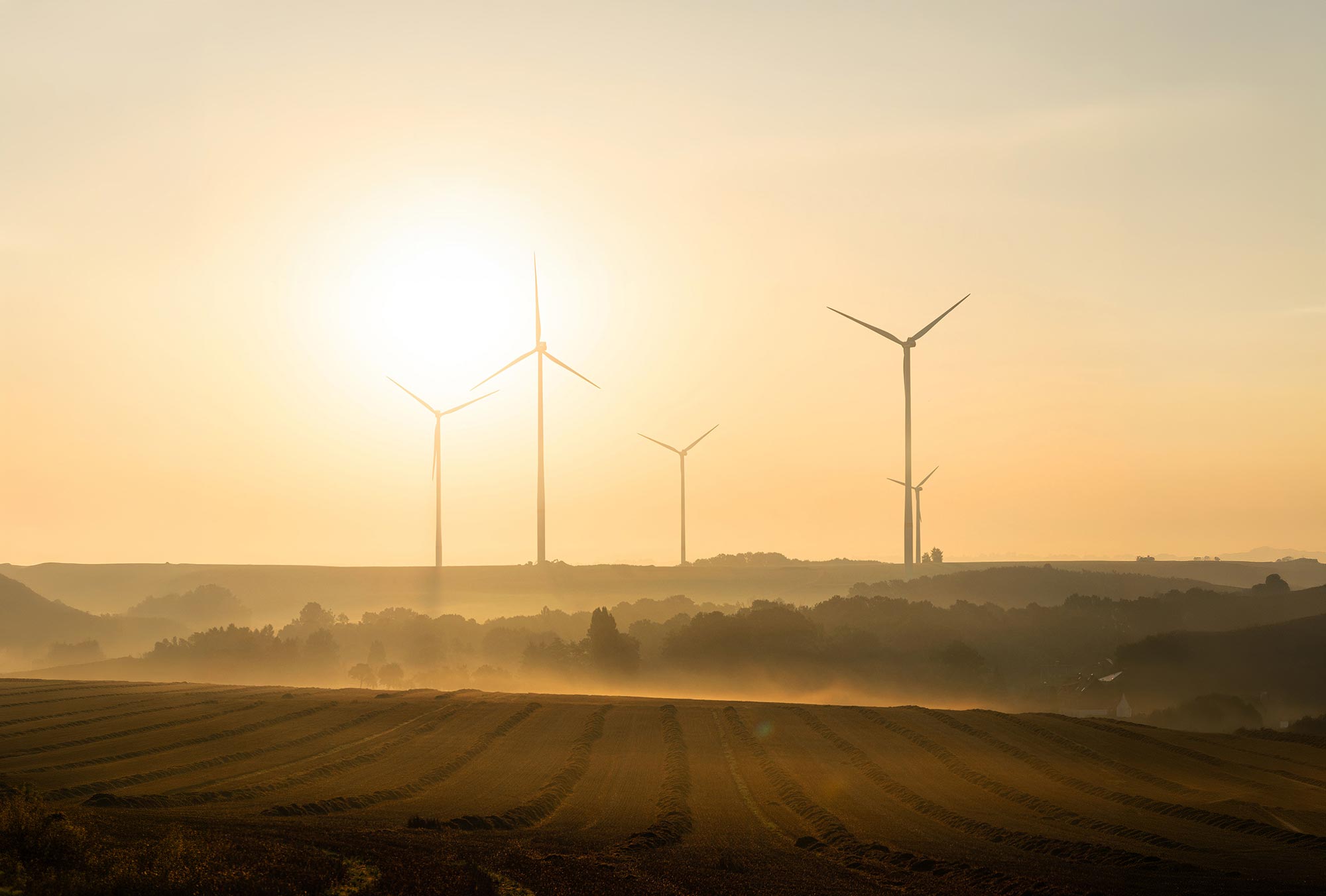
Photo © Pexels / Joshua Plattner
- DM: The crises of recent years have challenged the assumption that the state should largely refrain from interfering in business decisions. Does Germany need a new, more strategic industrial policy – and what criteria should the state apply when deciding which key industries and technologies to support?
-
Federal Ministry for Economic Affairs and Energy: The Federal Government’s focus is on creating the conditions that enable companies to invest and produce successfully in Germany and create the jobs of the future. A strong economy is the foundation of prosperity and innovation, as well as our ability to meet future challenges. The necessary conditions include affordable energy and taxation, a bureaucracy that serves businesses and the public rather than overwhelming them, and regulation that gives companies the freedom to develop and grow without stifling innovation before it can take root.
It is also important to make Germany even more attractive as an investment location and mobilise the private capital required for investment within the country. This calls for suitable conditions as well as targeted incentives. The Deutschlandfonds has established a framework that makes it easier for private companies to invest on a large scale in areas including industry, small and medium-sized enterprises and energy infrastructure. The Federal Government is providing €30 billion in funding and guarantees with the aim of generating approximately €130 billion in investment.
In October, the Federal Government will also hold the Invest in Germany Summit, bringing together leading international business representatives to discuss the conditions for investment in Germany. With its top credit rating, industrial strength, established business networks, outstanding research and highly qualified workforce, Germany offers an attractive investment environment whose potential must be utilised more fully. The special infrastructure and climate-neutrality fund will provide further impetus for growth.
The coalition agreement, and most recently the Coalition Committee in July, made clear the Federal Government’s commitment to consistently supporting future technologies in Germany. These include the automotive, chemical, pharmaceutical and mechanical-engineering industries, as well as newer sectors such as semiconductor manufacturing and artificial intelligence. The aim is to support established industries while simultaneously creating the conditions for new technologies and value creation to flourish in Germany.